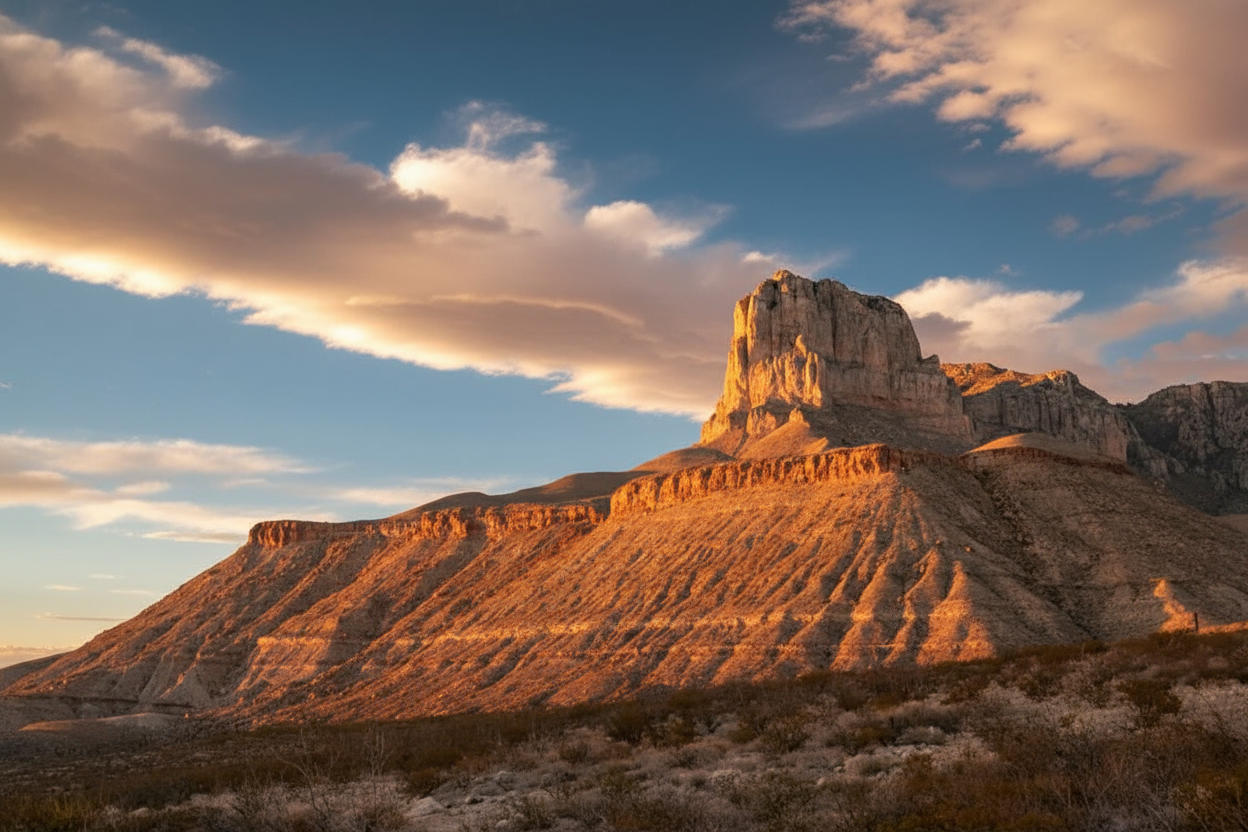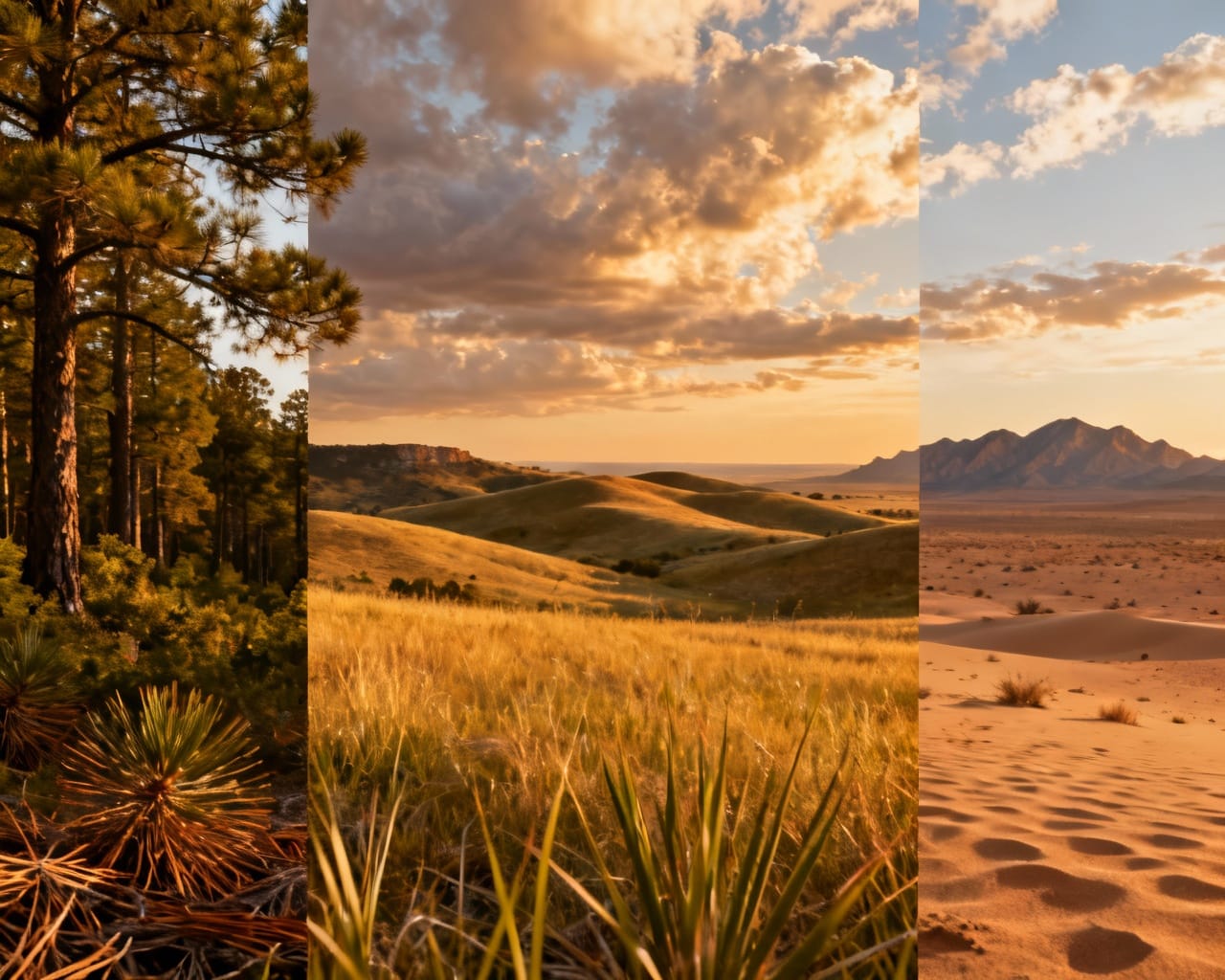

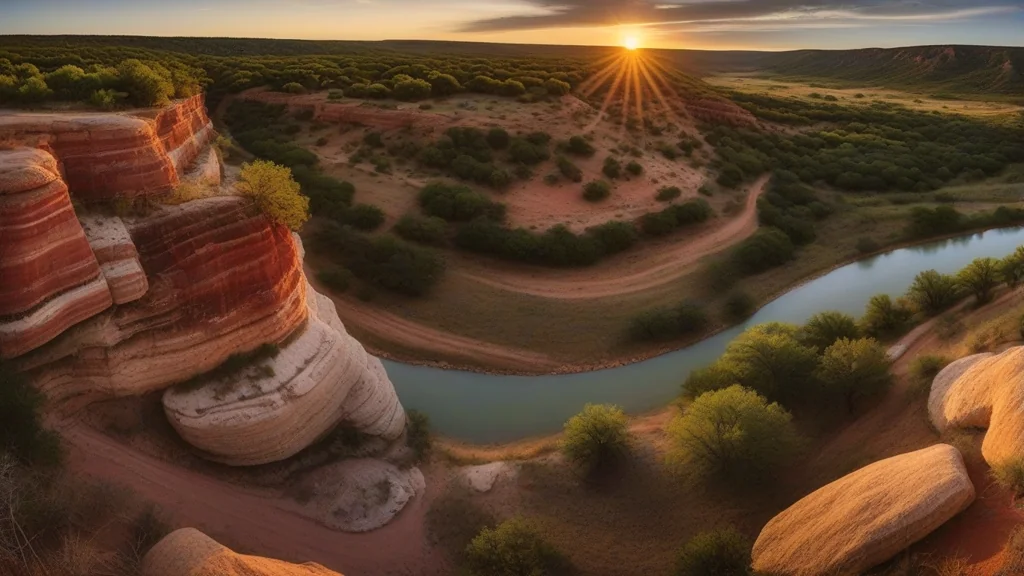
Texas boasts an astonishing variety of ecosystems, meticulously divided into ten distinct ecoregions. From the humid, towering Piney Woods of East Texas to the stark, majestic Chihuahuan Desert in the west, each region offers a unique slice of the state’s natural heritage. And what better way to explore this incredible biodiversity than through its phenomenal state parks? Each ecoregion presents a unique opportunity for exploration in Texas state parks by ecoregion. Whether you’re chasing waterfalls in the Hill Country, scaling ancient bluffs in the Panhandle, or stargazing in the remote desert, this comprehensive guide will lead you to the best Texas state parks by ecoregion.
Explore the diverse landscapes of Texas state parks by ecoregion, where each area showcases its unique ecological features and recreational opportunities.
Understanding Texas state parks by ecoregion helps visitors appreciate the local flora and fauna.
This guide includes the top selections of Texas state parks by ecoregion, ensuring an unforgettable experience. The best way to experience the variety of environments is through Texas state parks by ecoregion.
Let’s explore the ecological treasures of Texas, one ecoregion at a time.
When visiting, consider exploring Texas state parks by ecoregion to fully experience the state’s natural diversity.
These state parks are classified by their ecoregions for targeted exploration.
KEY TAKEAWAY: Texas has more state parks (89) than any other state in the country. This guide highlights the best park in each of the 10 ecoregions to help you experience the full diversity of Texas landscapes.
Discovering Texas state parks by ecoregion can enhance your appreciation of the state’s biodiversity.
Texas state parks by ecoregion are designed to provide varied outdoor experiences for all types of visitors.
1. Piney Woods – Martin Dies, Jr. State Park
Ecoregion Overview: The Piney Woods of East Texas are dense with loblolly and shortleaf pine, mixed hardwoods, acidic soils, and bayous. With high rainfall and rich biodiversity, this area feels more like Louisiana than the rest of Texas.
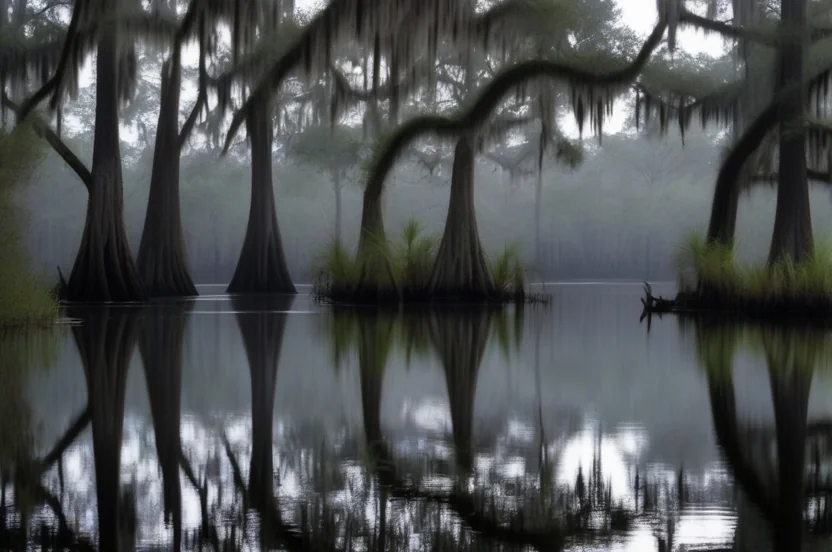
Why Martin Dies, Jr. Stands Out: Nestled on the edge of the Big Thicket National Preserve, Martin Dies, Jr. State Park truly embodies the Piney Woods, offering unparalleled access to forested trails and the expansive Neches River. It’s a prime destination to experience East Texas’s unique wetland ecosystems.
Activities:
- Paddling through cypress sloughs
- Birdwatching (woodpeckers, warblers, and owls)
- Hiking the Slough Trail
- Fishing and camping year-round
Each ecoregion within Texas features distinct landscapes and wildlife found in its respective state parks.
Travelers can find unique adventures by exploring Texas state parks by ecoregion.
The blend of eastern forests and central prairies can be explored through Texas state parks by ecoregion.
Learn more about the Piney Woods ecosystem | TPWD Park Info
2. Post Oak Savannah – Fort Parker State Park
Ecoregion Overview: A transitional zone between forest and prairie, the Post Oak Savannah features scattered oaks, rolling pastures, often sandy soils, and prairie remnants — a blend of eastern and central Texas.
Why Fort Parker Shines: Located near Mexia, Fort Parker State Park offers tranquil beauty along the Navasota River. Its mosaic of mature woodlands and restored open grasslands perfectly showcases the Post Oak Savannah’s unique blend of eastern forests and central prairies, making it a peaceful escape.
Activities:
- Kayaking and canoe rentals
- Wildflower viewing in spring
- Wildlife spotting (white-tailed deer, armadillos)
- Easy hiking and peaceful camping
Each section of the state parks showcases the unique characteristics of Texas state parks by ecoregion.
3. Blackland Prairie – Cedar Hill State Park
Ecoregion Overview: Once a vast sea of tallgrass prairie, the Blackland Prairie is now one of Texas’s most altered landscapes. Still, pockets remain where native grasses like bluestem and switchgrass endure. Known for its fertile black soil, it was historically prized for agriculture.
Why It’s Special: As one of the largest and most accessible remnants of native tallgrass prairie near the DFW Metroplex, Cedar Hill State Park offers crucial insight into this once-dominant Texas landscape. Its restored prairie trails alongside Joe Pool Lake provide a vital educational and recreational experience.
Activities:
- Hiking the DORBA trail system
- Mountain biking
- Lake swimming and fishing
- Educational stops at Penn Farm Agricultural Center
Explore more flora and fauna native to this region
4. Cross Timbers – Lake Mineral Wells State Park & Trailway
Ecoregion Overview: This mixed woodland and prairie region is where eastern oaks meet western grasslands. Known for rugged terrain and post oak savannas.
Gaining insight into the Texas state parks by ecoregion provides a deeper connection to the environment.
Why Visit Lake Mineral Wells: Just west of Fort Worth, Lake Mineral Wells State Park & Trailway is a prime example of the Cross Timbers’ rugged beauty. It features dramatic sandstone rock outcrops perfect for climbing and serene lake coves, offering adventures for both geology enthusiasts and outdoor lovers.
Activities:
- Rock climbing at Penitentiary Hollow
- Scenic lake kayaking
- Hikes through oak-hickory forests
- Equestrian trails
5. Edwards Plateau (Hill Country) – Garner State Park
Ecoregion Overview: The Edwards Plateau Ecoregion is famous for its limestone hills, clear springs, oak-juniper woodlands, karst topography, and underground aquifers. It’s the ecological heart of the Hill Country.
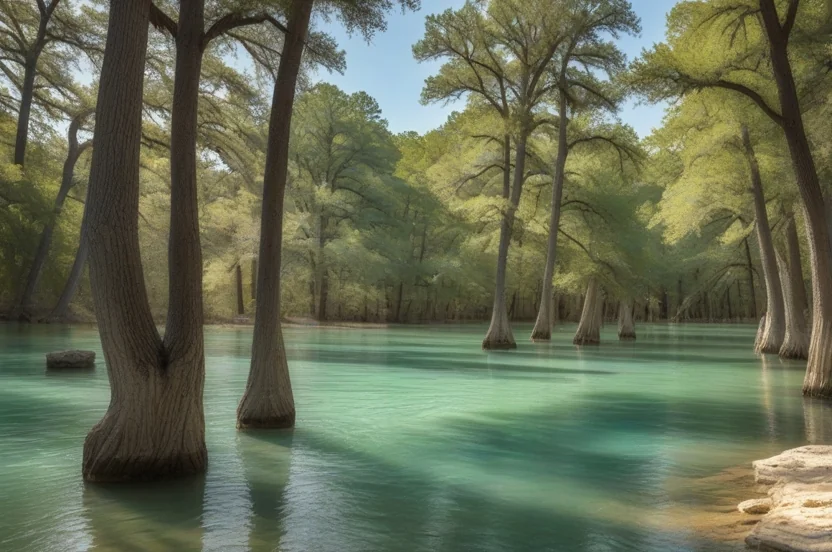
Why Garner Reigns Supreme: A quintessential Hill Country classic, Garner State Park on the pristine Frio River is renowned for its iconic limestone bluffs, cypress-lined riverbanks, and unparalleled recreational opportunities. It embodies the beauty and spirit of the Edwards Plateau.
Activities:
- Floating the Frio River
- Hiking Old Baldy Trail
- Camping under star-filled skies
- Seasonal birdwatching (golden-cheeked warbler)
Hill Country hiking tips and conservation info
6. South Texas Plains – Choke Canyon State Park
Ecoregion Overview: Hot, dry, and thorny — this region is dominated by mesquite, prickly pear, and brushland. Also referred to as the South Texas Brush Country, it’s a wildlife-rich zone with a distinctive ecological identity.
Why Choke Canyon Impresses: Choke Canyon State Park, nestled between San Antonio and Corpus Christi, is a premier destination for experiencing the abundant wildlife of the South Texas Plains. Its vast reservoir and surrounding brushland provide exceptional birdwatching opportunities and spacious, wild campsites.
Activities:
- Birding (green jays, crested caracaras)
- Fishing and boating
- Wildlife photography
- Stargazing and primitive camping
7. Gulf Coast Prairies and Marshes – Galveston Island State Park
Ecoregion Overview: Where land meets sea, this region includes coastal marshes, barrier islands, and tallgrass prairies shaped by salt and wind.
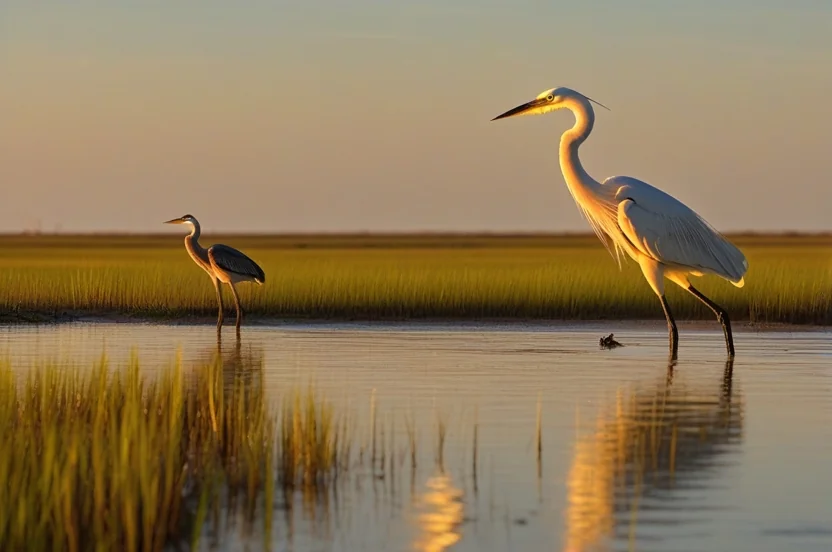
Why Galveston Island Is a Must-See: Recently reopened after significant renovations, Galveston Island State Parkuniquely offers both pristine beachside camping and immersive access to dynamic bay and marsh ecosystems. It’s the ultimate dual experience for exploring the Gulf Coast Prairies and Marshes.
Activities:
- Swimming, beachcombing
- Bay kayaking and marsh trails
- Coastal birdwatching (herons, roseate spoonbills)
- Interpretive nature programs
8. Rolling Plains – Caprock Canyons State Park & Trailway
Ecoregion Overview: Red rock canyons, mesquite scrub, and wide-open grasslands define the Rolling Plains, with deep erosion exposing colorful geologic layers.
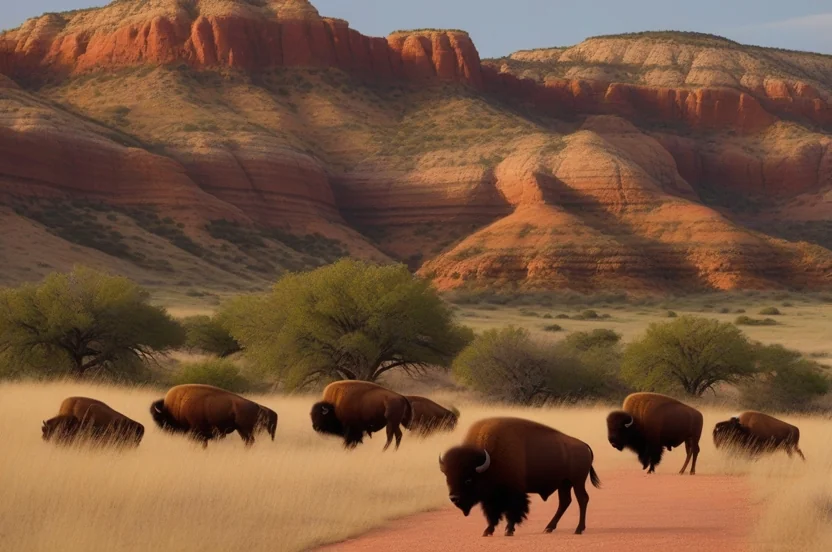
Why Caprock Canyons Stands Tall: As the proud home of the official Texas State Bison Herd and striking red cliffs, Caprock Canyons State Park & Trailway is one of the most dramatically scenic and biologically significant parks in the Rolling Plains. It offers an unparalleled opportunity to witness both raw geological beauty and successful wildlife reintroduction.
Activities:
- Hiking the Upper Canyon Trail
- Camping with canyon views
- Wildlife watching (bison, prairie dogs)
- Horseback riding
9. High Plains – Palo Duro Canyon State Park
Ecoregion Overview: This vast plateau in the Texas Panhandle is home to grasslands and dry canyons, with some of the most expansive skies in the state.
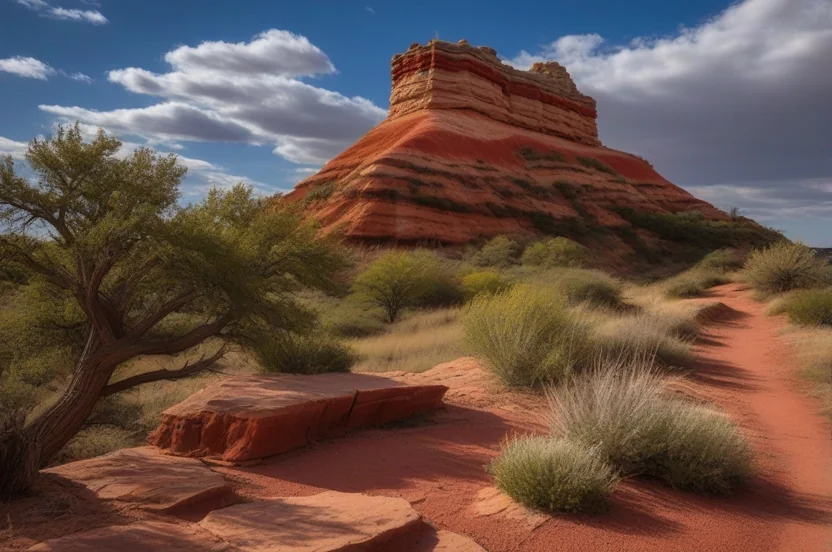
Why Palo Duro Wows: Often dubbed the ‘Grand Canyon of Texas,’ Palo Duro Canyon State Park is the second-largest canyon in the United States. Its breathtaking multicolored layers, distinctive hoodoos, and sweeping vistas offer an unforgettable immersion into the dramatic landscape of the High Plains.
Activities:
- Hike to the Lighthouse rock formation
- Watch outdoor plays at the amphitheater
- Camp under canyon walls
- Mountain biking
10. Trans-Pecos (Chihuahuan Desert) – Big Bend Ranch State Park
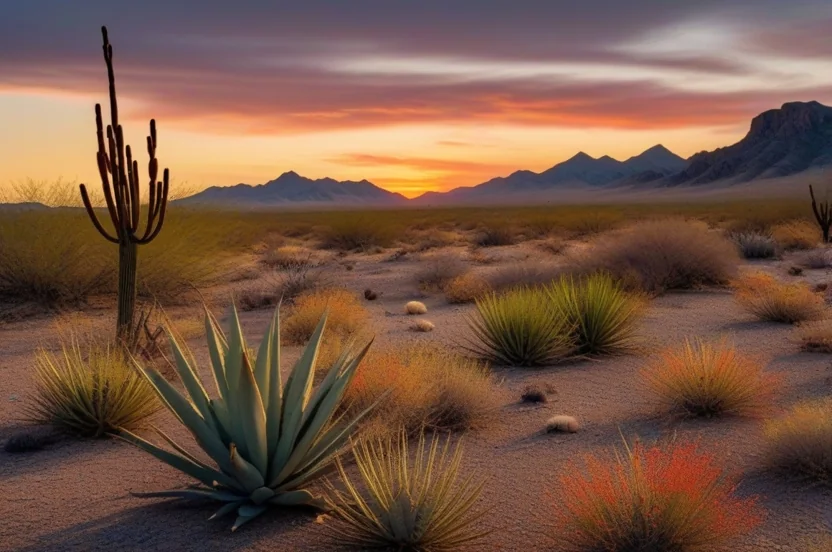
Ecoregion Overview: The westernmost region of Texas, the Trans-Pecos (Chihuahuan Desert), is a rugged land of cacti, canyons, and wide silence. It’s the driest, most remote part of the state.
WARNING: Big Bend Ranch is extremely remote with no services. Bring all water, food, and fuel. Cell service is nonexistent. Always inform someone of your travel plans before visiting.
Why Big Bend Ranch Is Wild and Wonderful: As Texas’s largest state park, Big Bend Ranch offers an unparalleled sense of solitude and adventure. Less visited than its National Park neighbor, this “other side of nowhere” provides vast stretches of desert, scenic drives, challenging hikes, and unmatched stargazing opportunities within the Chihuahuan Desert.
Activities:
- Backpacking in desert canyons
- River access to the Rio Grande
- Stargazing in one of the darkest night skies in North America
- 4×4 scenic driving routes
Read about Chihuahuan Desert animals and ecosystems | TPWD Park Info
Travel Tips for Visiting Multiple Texas Ecoregions
PRO TIP: Purchase a Texas State Parks Pass ($70/year) for unlimited day-use entry to all 89+ state parks. The pass pays for itself after just 7 visits and includes discounts on camping.
- Plan by Season: Desert parks are best in winter; coastal parks shine in spring and fall; Piney Woods offer shady escapes in summer.
- Driving Route: Start in East Texas (Martin Dies, Jr.) and loop westward through the Hill Country and desert parks, circling back through the Panhandle and North Texas.
- Stay Eco-Minded: Respect wildlife, pack out trash, and stay on trails to help preserve these fragile ecosystems.
More on Texas conservation and fire ecology
FAQ: Best Texas State Parks by Ecoregion
What is the most scenic state park in Texas?
Palo Duro Canyon State Park is often considered the most scenic, thanks to its dramatic canyon walls, colorful rock formations, and sweeping views of the High Plains.
Which Texas state park is best for hiking?
Garner State Park offers some of the best Hill Country hiking, with trails like Old Baldy giving panoramic views over the Frio River Valley.
What Texas state park has the most wildlife?
Choke Canyon State Park in the South Texas Plains is known for exceptional birding and wildlife, including deer, javelinas, and alligators.
What is the best time of year to visit Texas state parks?
Due to Texas’s vast size and diverse ecoregions, the “best” time varies. Generally, spring and fall offer mild temperatures ideal for most parks. Winter is excellent for desert parks, while Piney Woods provide summer shade. Coastal parks are enjoyable in spring and fall.
Which Texas state park is best for stargazing?
Big Bend Ranch State Park offers some of the darkest skies in North America, making it the premier destination for stargazing in Texas. The remote Trans-Pecos location means minimal light pollution, and the park hosts regular star parties and astronomy programs.
How many ecoregions does Texas have?
Texas has 10 distinct ecoregions, ranging from the humid Piney Woods in the east to the arid Chihuahuan Desert in the west. Each ecoregion has unique geology, climate, plants, and wildlife, making Texas one of the most ecologically diverse states in the nation.
Do I need reservations for Texas state parks?
Reservations are highly recommended, especially for popular parks like Garner, Palo Duro Canyon, and Galveston Island. Campsites and cabins can book up months in advance for peak seasons. Make reservations through the Texas Parks & Wildlife reservation system.