

Ashe Juniper Control in the Edwards Plateau: A Practical Guide
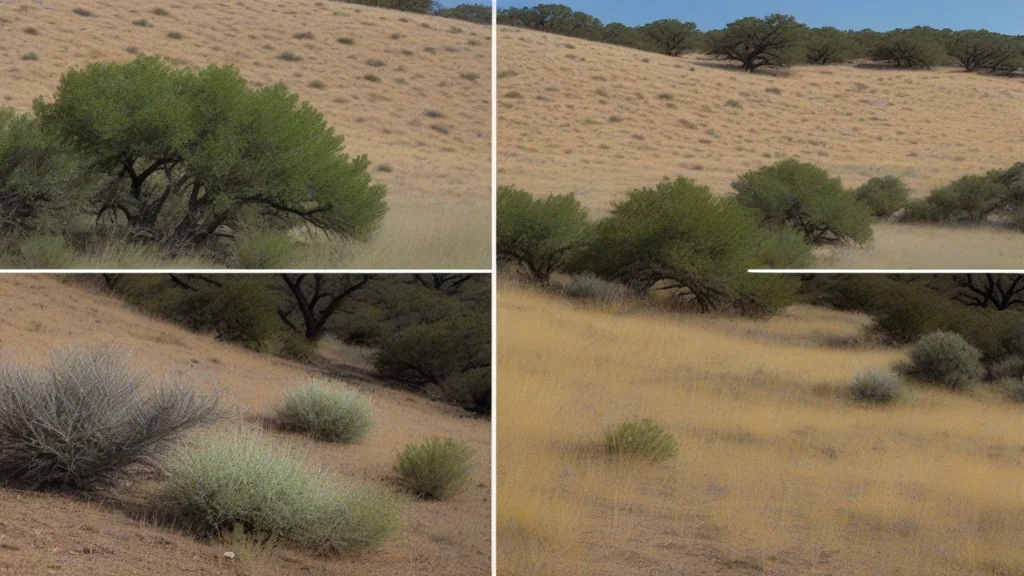
Drive through the Texas Hill Country and you’ll see them everywhere: dark green, pyramid-shaped trees blanketing hillsides that were once open grassland. Ashe juniper (Juniperus ashei)—commonly called “cedar” by Texans—has dramatically expanded its range over the past century, transforming the Edwards Plateau landscape and sparking ongoing debates about land management.
While Ashe juniper is native to Texas and provides critical habitat for endangered species like the golden-cheeked warbler, its unchecked expansion into former grasslands reduces water availability, displaces native prairie plants, and creates challenges for ranchers and landowners. This guide explains when, why, and how to control Ashe juniper on your property.
KEY TAKEAWAY: Ashe juniper is native to Texas, not invasive. However, fire suppression has allowed it to expand far beyond its historical range. Thoughtful management—not elimination—restores ecological balance while preserving habitat for species that depend on mature juniper stands.
Identifying Ashe Juniper
Ashe juniper (Juniperus ashei) is a small to medium-sized evergreen tree reaching 20-30 feet tall at maturity. Key identification features include:
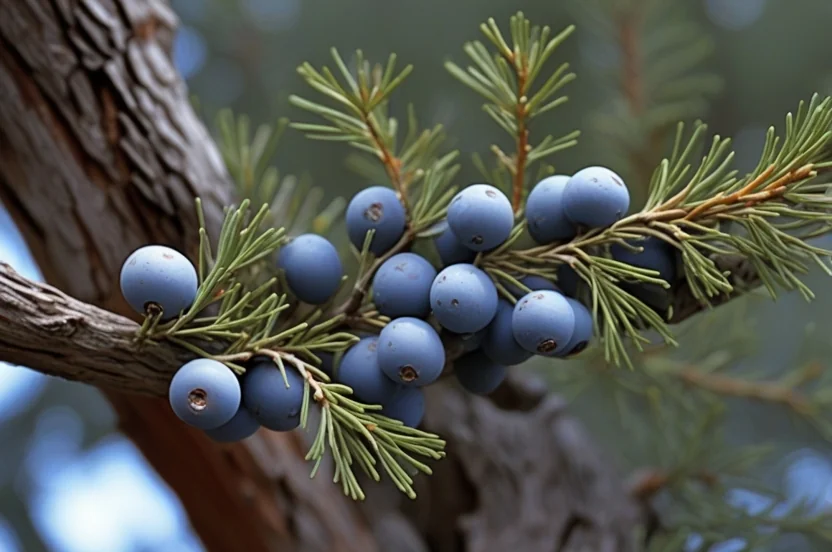
- Bark: Thin, reddish-brown, and naturally peeling in long strips
- Foliage: Scale-like leaves in a dark blue-green color with a distinctive sharp, pungent odor when crushed
- Growth form: Dense, pyramidal shape when young; irregular and spreading with age
- Berries: Female trees produce small, blue-gray berry-like cones in fall and winter
- Pollen: Male trees release massive amounts of allergenic pollen from December through March
Don’t confuse Ashe juniper with eastern red cedar (Juniperus virginiana), which occurs in East Texas. Ashe juniper’s range centers on the Edwards Plateau, extending from the Balcones Escarpment west to the Trans-Pecos and north into the Cross Timbers.
Why Ashe Juniper Has Expanded
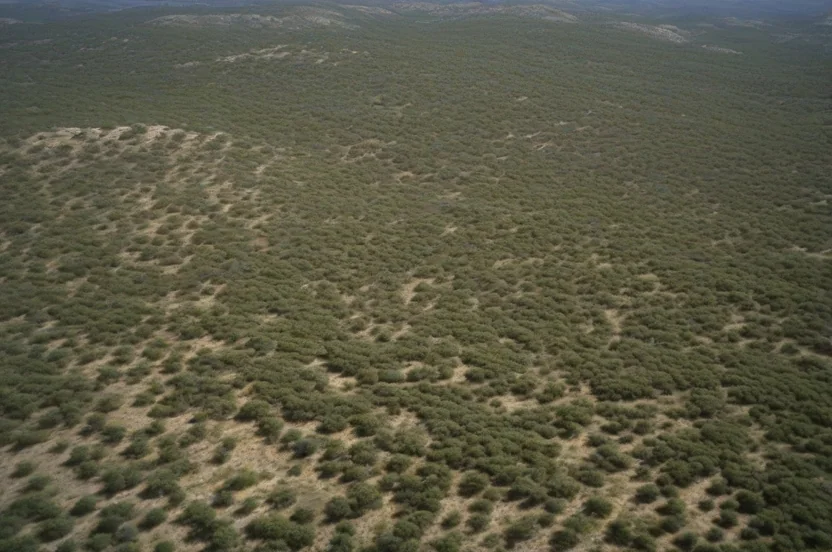
Historical accounts and photographs from the late 1800s show the Edwards Plateau as a mosaic of grasslands with juniper restricted to rocky canyons, steep slopes, and north-facing hillsides. Today, juniper covers an estimated 20 million acres across Texas—a dramatic expansion driven by several factors:
Fire Suppression
Before European settlement, periodic fires—set by lightning and Native Americans—swept across the Edwards Plateau, killing young junipers while favoring fire-adapted grasses and oaks. Without fire, junipers spread from protected sites into open grasslands.
Overgrazing
Heavy livestock grazing removed the fine grass fuels needed to carry fire and reduced competition for young juniper seedlings. Livestock also spread juniper seeds through their droppings.
Wildlife Dispersal
Birds and mammals eat juniper berries and deposit seeds in new locations, accelerating spread across the landscape.
Ecological Impacts of Juniper Expansion
The consequences of uncontrolled juniper expansion include:
Reduced Water Availability
Ashe juniper intercepts rainfall with its dense canopy and transpires water year-round (unlike deciduous trees). Research suggests that removing juniper from recharge zones can increase springflow and groundwater recharge, though results vary by site conditions.
PRO TIP: Focus juniper removal on areas above springs and in drainage areas where increased water infiltration will have the greatest impact on groundwater recharge.
Loss of Native Grasslands
Dense juniper stands shade out native grasses, forbs, and wildflowers. Once juniper achieves canopy closure, the understory becomes nearly devoid of other vegetation, reducing habitat for grassland wildlife and forage for livestock.
Reduced Wildlife Diversity
While mature juniper provides critical habitat for species like the golden-cheeked warbler and black-capped vireo, converting diverse grasslands to juniper monocultures reduces overall wildlife diversity. Quail, turkey, and deer populations decline in heavily juniper-dominated landscapes.
When NOT to Remove Ashe Juniper
Before beginning any juniper removal, consider these conservation priorities:
WARNING: The endangered golden-cheeked warbler nests exclusively in mature Ashe juniper with shredding bark. Removing juniper habitat during nesting season (March-July) or destroying mature juniper woodland may violate the Endangered Species Act. Consult with Texas Parks & Wildlife before removing large stands of mature juniper.
- Protect mature stands with trees over 20 years old and shredding bark for golden-cheeked warbler habitat
- Preserve juniper on steep slopes where removal could cause erosion
- Maintain juniper in canyons and draws where it historically occurred
- Leave some scattered juniper for wildlife cover and cedar waxwing winter food
Ashe Juniper Control Methods
Mechanical Removal
Best for: Large-scale clearing of young to medium-sized juniper
- Bulldozing/Root plowing: Most effective for dense stands, but highly disruptive to soil and native plants. Reserve for severely degraded sites.
- Shearing: Uses a hydraulic blade to cut trees at ground level. Less soil disturbance than bulldozing.
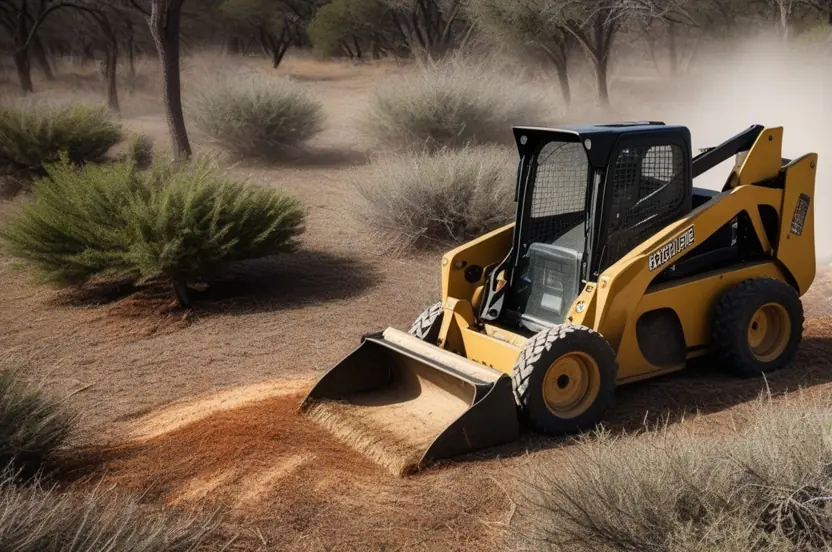
- Skid-steer mulching: Grinds trees in place, leaving mulch that protects soil. Good for selective removal.
- Chainsaw cutting: Most precise method for selective removal. Cut flush with ground—juniper does not resprout from stumps.
Chemical Control
Best for: Regrowth prevention and spot treatment
Herbicides are rarely needed for Ashe juniper since it does not resprout from stumps like live oak or mesquite. However, foliar sprays containing triclopyr or picloram can kill seedlings and small trees. Use only where mechanical removal is impractical.
Prescribed Fire
Best for: Maintaining cleared areas and killing young regrowth
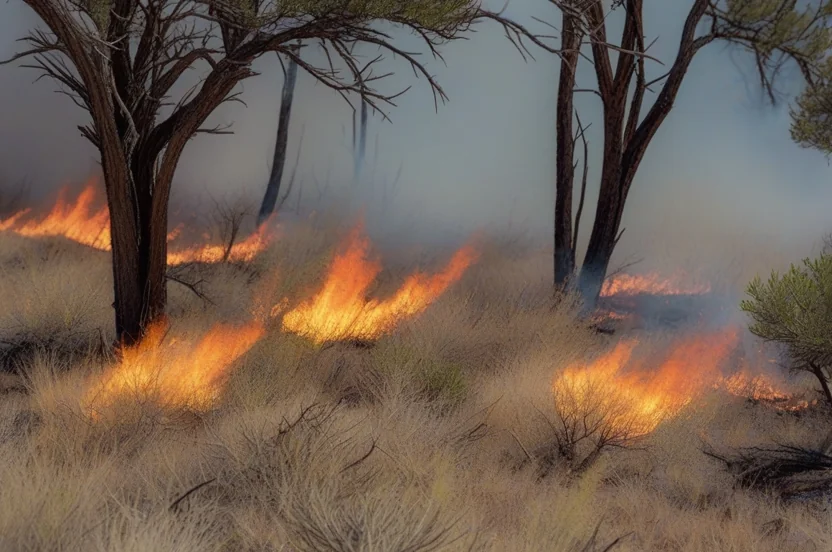
Fire is highly effective at killing juniper seedlings and small trees under 6 feet tall. However, fire alone cannot kill large junipers—their thick bark and lack of ladder fuels protect mature trees. Use fire as a follow-up treatment 2-3 years after mechanical clearing to control regrowth.
PRO TIP: Conduct prescribed burns during late winter (February-March) when grasses are dormant but fire can still carry through accumulated dead material. This timing minimizes impact on nesting birds while maximizing juniper seedling mortality.
Goat Browsing
Best for: Low-intensity maintenance and seedling control
Spanish and Boer goats readily browse juniper foliage and can effectively control regrowth on previously cleared areas. However, goats alone cannot eliminate mature stands—use in combination with other methods.
Developing a Management Plan
Effective juniper management requires a multi-year commitment:
- Map your property to identify areas where juniper should be removed versus protected
- Prioritize treatment areas based on ecological value, water resources, and wildlife needs
- Choose appropriate methods for each site condition and budget
- Plan for follow-up—juniper will reestablish without ongoing maintenance
- Consider cost-share programs through NRCS, Texas Parks & Wildlife, or local conservation districts
Frequently Asked Questions About Ashe Juniper Control
Will removing Ashe juniper increase my spring flow?
Research shows mixed results. Removing juniper from areas directly above springs and in recharge zones may increase groundwater, but effects depend on soil type, topography, and rainfall patterns. The greatest water gains come from removing young, dense stands on sites with shallow soils over fractured limestone.
Does Ashe juniper resprout after cutting?
No. Unlike live oak, mesquite, and most other Hill Country woody plants, Ashe juniper does not resprout from stumps or roots. A tree cut at ground level is dead. However, seeds in the soil will germinate and produce new seedlings, requiring follow-up control.
Is Ashe juniper native or invasive?
Ashe juniper is native to the Edwards Plateau and has been present for thousands of years. It is not an invasive species. However, its populations have expanded far beyond historical levels due to fire suppression and overgrazing. The management goal is restoration to historical patterns, not elimination.
When is the best time to remove Ashe juniper?
Mechanical removal can occur year-round, though late summer through winter minimizes impacts on nesting birds. Avoid clearing during golden-cheeked warbler nesting season (March through July) if mature juniper habitat is present. Prescribed fire is most effective in late winter.
What should I plant after removing juniper?
In most cases, native grasses will naturally recolonize cleared areas from the seed bank. For faster results, plant native Hill Country grasses like little bluestem, sideoats grama, and Texas wintergrass. Avoid planting non-native grasses like KR bluestem, which can become invasive.
Are there cost-share programs for juniper removal?
Yes. The USDA’s EQIP program can cover 50-75% of brush management costs. Texas Parks & Wildlife offers technical guidance through wildlife management plans. Local Soil and Water Conservation Districts and the Edwards Aquifer Authority also provide assistance in certain areas.
Conclusion: Balanced Juniper Management
Ashe juniper management isn’t about eliminating a native species—it’s about restoring the diverse mosaic of habitats that once characterized the Edwards Plateau. By strategically removing juniper from encroached grasslands while protecting mature stands for wildlife, landowners can increase water availability, restore native plant communities, and improve habitat for the full range of Hill Country species.
For more information about the unique ecology of the Texas Hill Country and evidence-based land management practices, explore our complete guide to the Texas ecoregions.