

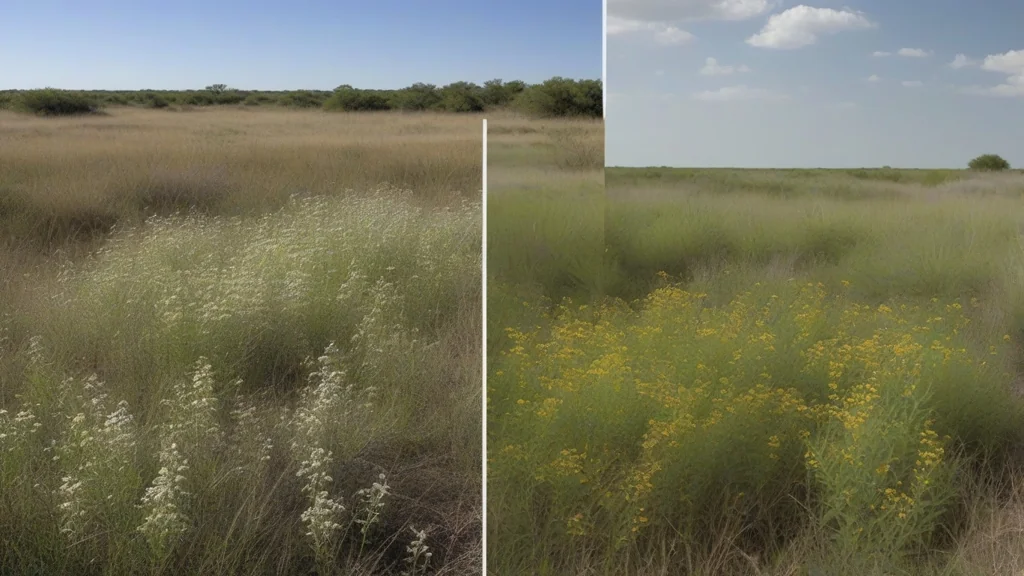
Invasive Species Management in Texas: A Guide by Ecoregion
Invasive species cost Texas an estimated $1.5 billion annually in ecological damage, agricultural losses, and management expenses. From the salt cedars choking Rio Grande waterways to the feral hogs destroying Hill Country rangelands, non-native invaders threaten the biodiversity that makes each Texas ecoregion unique. Understanding which species threaten your region—and how to combat them—is essential for landowners, conservationists, and nature enthusiasts alike.
This guide examines the most problematic invasive species across Texas’s 10 ecoregions and provides evidence-based management strategies for controlling them.
KEY TAKEAWAY: Invasive species are non-native organisms that spread aggressively, outcompeting native wildlife and disrupting ecosystems. Early detection and rapid response are far more cost-effective than trying to eradicate established populations.
What Makes a Species Invasive?
Not all non-native species become invasive. To earn that designation, a species must:
- Reproduce rapidly and spread beyond original introduction points
- Outcompete native species for food, water, habitat, or other resources
- Cause measurable ecological or economic harm to the invaded ecosystem
- Lack natural predators in the new environment to keep populations in check
Texas’s diverse climates and habitats make it particularly vulnerable to invasive species from around the globe. Species from similar climates in Asia, Africa, South America, and the Mediterranean often find Texas conditions ideal for explosive population growth.
Invasive Species by Texas Ecoregion
Piney Woods Invasives
The humid Piney Woods of East Texas face pressure from several aggressive plant invaders:
- Chinese Privet (Ligustrum sinense) – Forms dense thickets that shade out native understory plants and prevent forest regeneration.
- Japanese Honeysuckle (Lonicera japonica) – Climbs and smothers native trees while spreading rapidly by bird-dispersed seeds.
- Cogongrass (Imperata cylindrica) – One of the world’s worst invasive plants, now established in East Texas. Burns extremely hot and can alter fire regimes.
- Chinese Tallow (Triadica sebifera) – Displaces native bottomland forests and produces seeds toxic to cattle.
Edwards Plateau (Hill Country) Invasives
The Edwards Plateau battles both plant and animal invaders:
- Ashe Juniper Overgrowth – While native, fire suppression has allowed juniper to dominate former oak-savanna habitats, dramatically reducing water availability and native grass cover.
- King Ranch Bluestem (Bothriochloa ischaemum) – Introduced for erosion control, now dominates roadsides and degrades native prairie remnants.
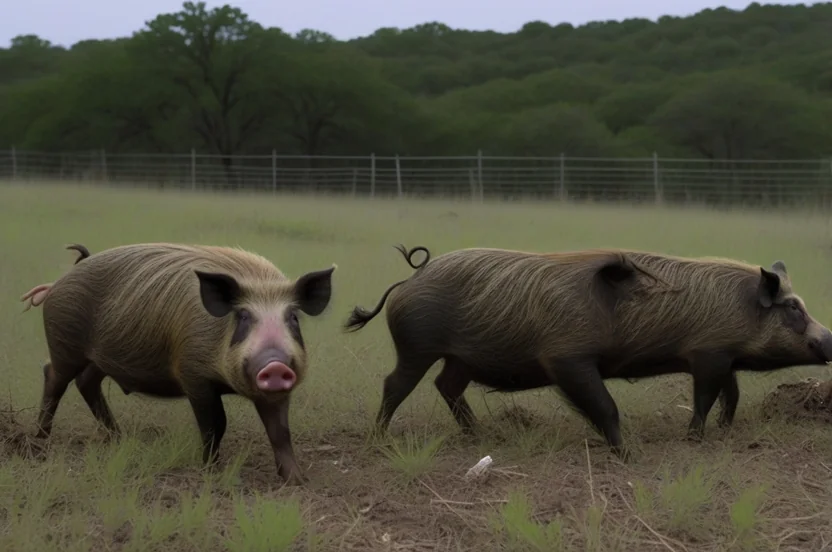
- Feral Hogs (Sus scrofa) – Cause over $500 million in Texas agricultural damage annually. Destroy native vegetation, compete with wildlife, and spread disease.
- Axis Deer (Axis axis) – Introduced from India, now competing with native white-tailed deer for browse.
WARNING: Feral hogs are extremely destructive and can become aggressive when cornered. Never approach feral hogs on foot. Report sightings to Texas Parks & Wildlife or your local AgriLife Extension office.
Trans-Pecos (Chihuahuan Desert) Invasives
The arid Trans-Pecos faces unique challenges from water-loving invaders that congregate along limited riparian corridors:
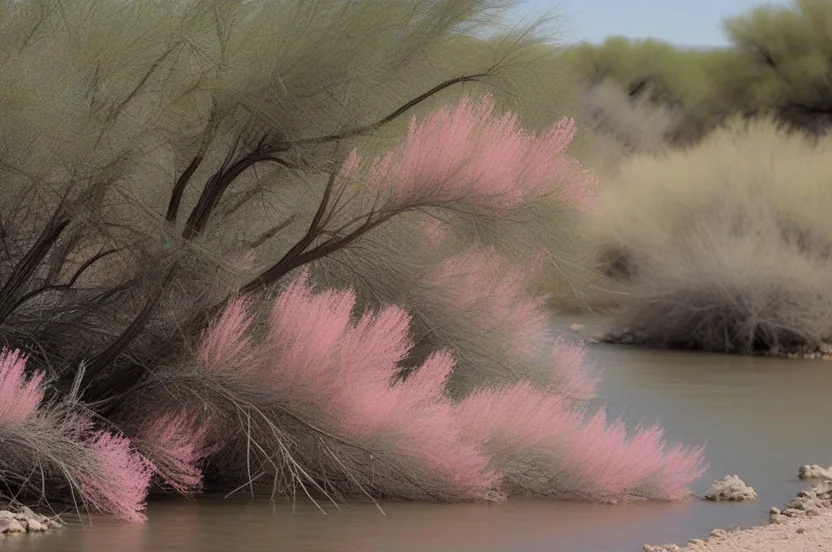
- Salt Cedar (Tamarix ramosissima) – Consumes enormous quantities of groundwater, increases soil salinity, and crowds out native cottonwoods and willows along the Rio Grande.
- Giant Reed (Arundo donax) – Grows up to 30 feet tall along waterways, displacing native vegetation and increasing fire risk.
- African Rue (Peganum harmala) – Toxic to livestock and expanding rapidly in disturbed areas.
Gulf Coast Invasives
Coastal Texas ecosystems face threats from both terrestrial and aquatic invaders:
- Brazilian Pepper (Schinus terebinthifolia) – Forms impenetrable thickets in coastal prairies and marshes, displacing native vegetation critical for wildlife.
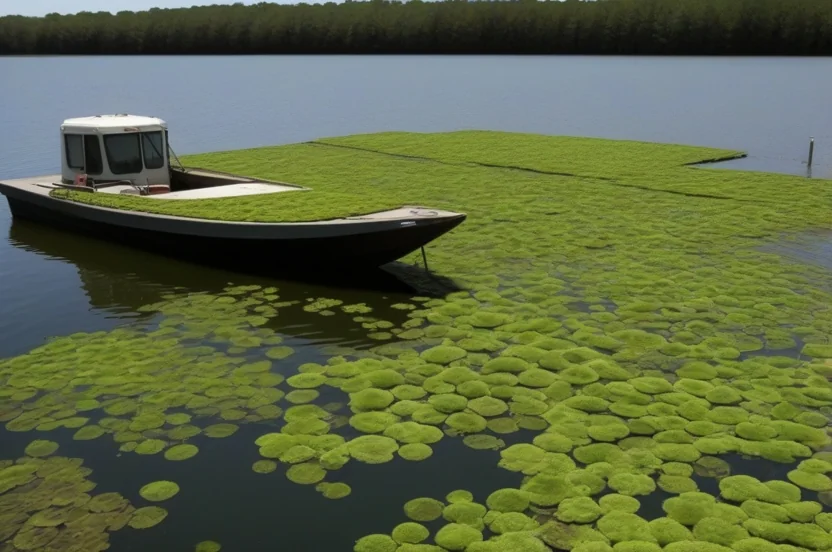
- Giant Salvinia (Salvinia molesta) – Aquatic fern that doubles in size every 4-10 days, choking Texas waterways and destroying fish habitat.
- Water Hyacinth (Eichhornia crassipes) – Beautiful but devastating aquatic plant that blocks waterways and depletes oxygen from beneath the surface.
- Nutria (Myocastor coypus) – South American rodent that destroys marsh vegetation and accelerates coastal erosion.
Blackland Prairie and Rolling Plains Invasives
Texas prairies, already reduced to less than 1% of their original extent, face additional pressure from aggressive grasses:
- Johnson Grass (Sorghum halepense) – Dominates disturbed prairies and produces allelopathic chemicals that inhibit native plant growth.
- Bermudagrass (Cynodon dactylon) – Introduced for lawns and pastures, now invading prairie remnants across Texas.
- Sericea Lespedeza (Lespedeza cuneata) – Forms dense monocultures that eliminate native plant diversity.
Effective Management Strategies
Successful invasive species management requires an integrated approach combining multiple control methods:
Prevention
Prevention is the most cost-effective management strategy. Key prevention practices include:
- Cleaning boots, vehicles, and equipment when moving between properties
- Using certified weed-free seed and mulch
- Avoiding planting known invasive species in landscapes
- Monitoring properties for new invasive occurrences
Mechanical Control
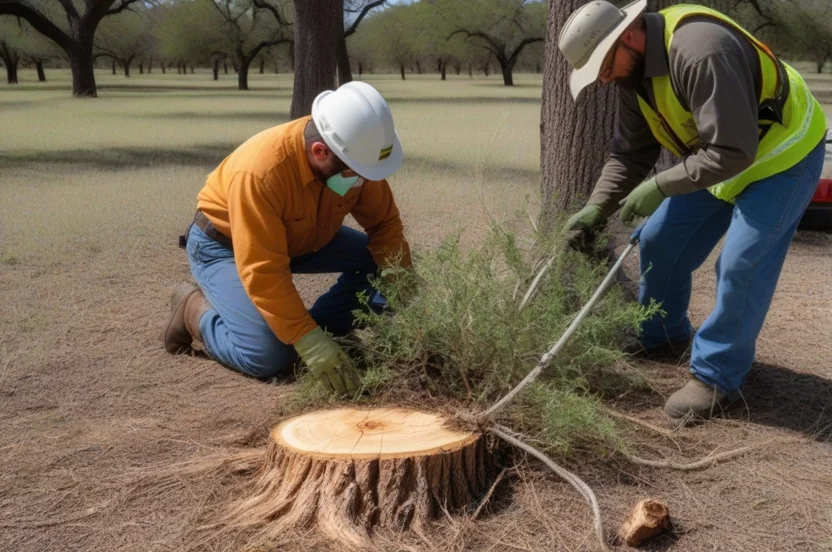
Physical removal works best for small infestations and woody species. Techniques include hand-pulling, mowing, cutting, and prescribed grazing. For species like Chinese privet, cutting followed by stump treatment with herbicide prevents resprouting.
Chemical Control
Herbicides, when used correctly, are often the most efficient option for large-scale invasive plant control. Work with your county AgriLife Extension agent to identify appropriate herbicides and application methods for your target species. Always follow label directions and consider impacts on non-target species.
PRO TIP: For woody species like salt cedar and Chinese privet, the “cut stump” method is highly effective. Cut the plant at ground level, then immediately apply concentrated herbicide (such as triclopyr or glyphosate) to the fresh-cut stump within 15 minutes.
Biological Control
Some invasive species can be controlled using natural enemies from their native range. Texas has successfully released:
- Salt cedar leaf beetle (Diorhabda spp.) – Now established along the Rio Grande and effectively defoliating salt cedar
- Giant salvinia weevil (Cyrtobagous salviniae) – Provides significant control of giant salvinia in Texas lakes
Prescribed Fire
Fire is a natural tool for controlling many invasive woody plants while benefiting native fire-adapted ecosystems. In the Hill Country, prescribed burns help control juniper encroachment. In prairies, fire reduces woody invasion and stimulates native grass growth. Always work with certified prescribed burn professionals.
Resources for Texas Landowners
Several organizations provide technical assistance and cost-share programs for invasive species management:
- Texas Parks & Wildlife – Wildlife management plans and technical guidance
- Texas A&M AgriLife Extension – County-based assistance and educational programs
- USDA Natural Resources Conservation Service (NRCS) – Cost-share programs like EQIP for invasive species control
- TexasInvasives.org – Species identification, reporting tools, and management guides
Frequently Asked Questions About Texas Invasive Species
What is the most destructive invasive species in Texas?
Feral hogs are arguably the most destructive invasive species in Texas, causing over $500 million in agricultural damage annually. Their population exceeds 2.6 million, and they destroy crops, compete with native wildlife, spread disease, and degrade water quality through rooting and wallowing behavior.
Are invasive species illegal to have in Texas?
Texas regulates certain invasive species. It’s illegal to release or transport species like giant salvinia, water hyacinth, and zebra mussels. Exotic game animals require permits for possession. Always check Texas Parks & Wildlife regulations before purchasing or transporting potentially invasive species.
How do I report an invasive species sighting?
Report invasive species through TexasInvasives.org or the free EDDMapS app. Document the location (GPS if possible), take clear photos, and note the extent of the infestation. Early detection reports help authorities respond before populations become established.
Can I get paid to remove invasive species from my property?
Several cost-share programs help offset invasive species management expenses. The USDA’s EQIP program can cover up to 75% of control costs. Texas Parks & Wildlife’s wildlife management programs and local Soil and Water Conservation Districts also offer assistance to qualifying landowners.
Why shouldn’t I plant invasive ornamental plants?
Many popular landscape plants—including nandina, Chinese privet, and Japanese honeysuckle—escape cultivation and spread into natural areas. Birds eat the berries and deposit seeds in forests and prairies where they outcompete native plants. Choose native alternatives that provide similar aesthetic value without ecological harm.
Is Ashe juniper (cedar) an invasive species?
Ashe juniper (Juniperus ashei) is native to the Edwards Plateau, but its populations have expanded dramatically due to fire suppression and overgrazing. While not technically invasive, its encroachment into former grasslands reduces water availability and displaces native prairie species. Controlled burns and mechanical removal help restore ecological balance.
Taking Action Against Invasive Species
Invasive species management requires vigilance, persistence, and community cooperation. Whether you’re managing a few acres or a large ranch, early detection and consistent control efforts make the difference between containment and crisis.
Start by learning to identify the invasive species most likely to affect your ecoregion. Monitor your property regularly, especially disturbed areas where invaders often establish first. When you find an infestation, act quickly—young, small populations are far easier to control than established ones.
For more information on the unique ecosystems of Texas and how to protect them, explore our comprehensive guides to each Texas ecoregion. Together, we can preserve the native biodiversity that makes Texas wild spaces so remarkable.