
Complete Guide to Texas Bluebonnets
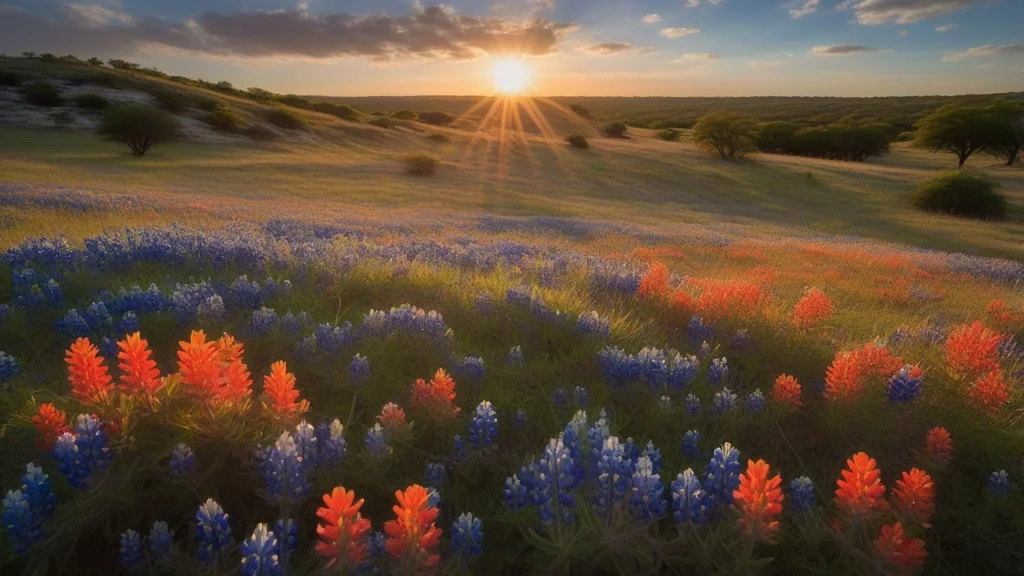
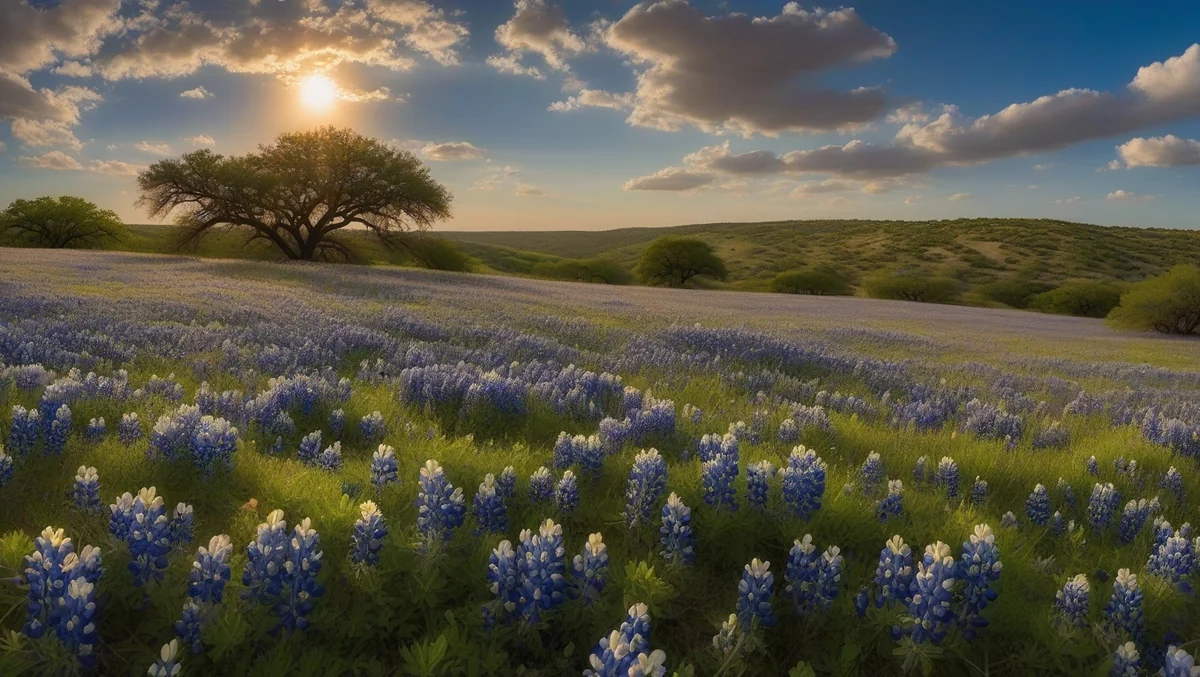
Texas bluebonnets are among the most beloved wildflowers in North America, painting the Texas Hill Country in stunning shades of blue each spring. As the official state flower of Texas, these lupines have captured the hearts of residents and visitors alike for generations. This comprehensive guide covers everything you need to know about identifying, growing, and appreciating these iconic wildflowers.
What Are Texas Bluebonnets?
Texas bluebonnets (Lupinus texensis) belong to the legume family and are characterized by their distinctive spikes of deep blue flowers with white or cream-colored tips. The flowers are arranged in dense clusters that resemble tiny bonnets, giving the plant its common name.
Key Characteristics
- Height: Typically 12-24 inches tall
- Bloom Time: March through May
- Flower Color: Deep blue with white tips, occasionally white or pink variants
- Leaves: Palmately compound with 5-7 leaflets
- Root System: Deep taproot with nitrogen-fixing nodules
The Six Species of Texas Bluebonnets
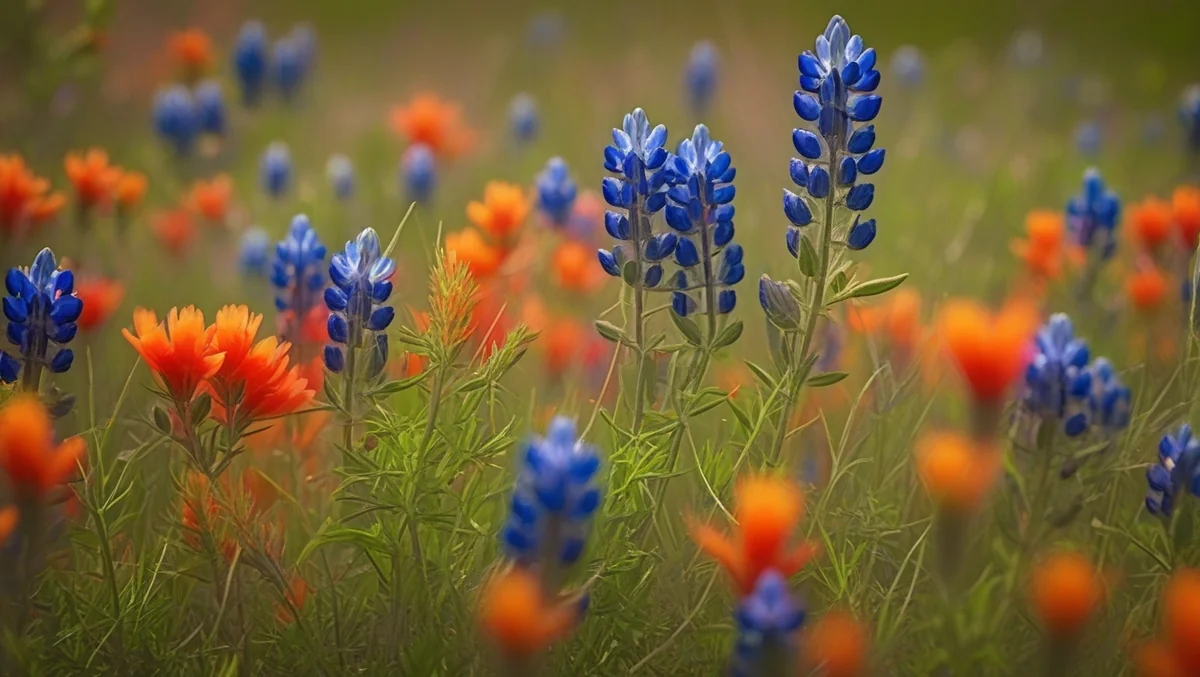
While Lupinus texensis is the most common, Texas officially recognizes six species as the state flower. According to the Lady Bird Johnson Wildflower Center, all six species share similar characteristics but vary in size and regional distribution:
- Lupinus texensis – Texas Bluebonnet (most widespread)
- Lupinus subcarnosus – Sandyland Bluebonnet (first designated state flower)
- Lupinus havardii – Big Bend Bluebonnet (largest flowers)
- Lupinus concinnus – Annual Lupine
- Lupinus plattensis – Dune Bluebonnet
- Lupinus perennis – Sundial Lupine
Where to Find Bluebonnets
Texas Hill Country
The Hill Country remains the premier destination for bluebonnet viewing. Texas Parks and Wildlife maintains updated wildflower reports during spring season. Key areas include:
- Fredericksburg – Scenic drives along Highway 290
- Burnet – Self-proclaimed “Bluebonnet Capital of Texas”
- Llano – Historic courthouse square surrounded by wildflowers
- Marble Falls – Lake LBJ scenic overlooks
- Willow City Loop – 13-mile scenic drive north of Fredericksburg
Central Texas
- Ennis – Official “Bluebonnet City of Texas” with 40 miles of trails
- Brenham – Washington County bluebonnet trails
- Chappell Hill – Antique shops amid wildflower fields
- Independence – Historic trails through bluebonnet meadows
Other Regions
- Big Bend – Home to the spectacular Big Bend Bluebonnet
- South Texas – Earlier blooms along the coast
- East Texas – Sandy soil varieties near Tyler
Growing Texas Bluebonnets
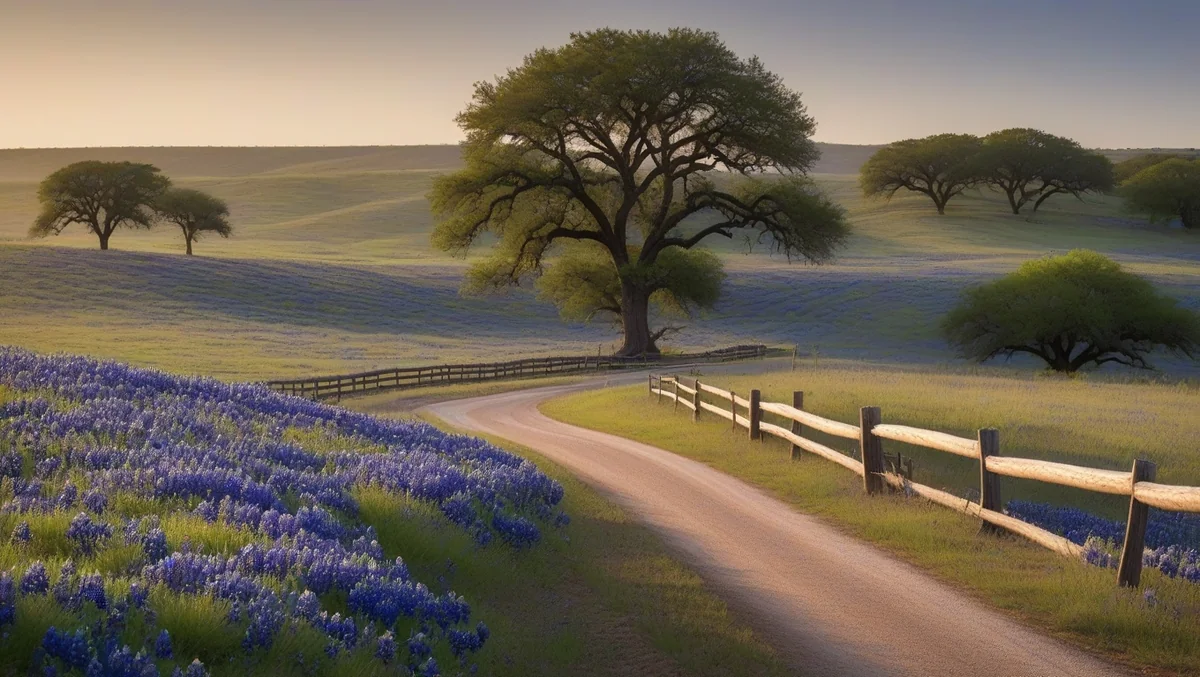
For detailed cultivation guidance, Texas A&M AgriLife Extension provides research-based recommendations for Texas gardeners.
Soil Requirements
Bluebonnets prefer:
- Well-drained, slightly alkaline soil (pH 7.0-8.0)
- Sandy or limestone-based soils
- Poor to moderate fertility (they fix their own nitrogen)
- Avoid heavy clay or constantly wet areas
Planting Guide
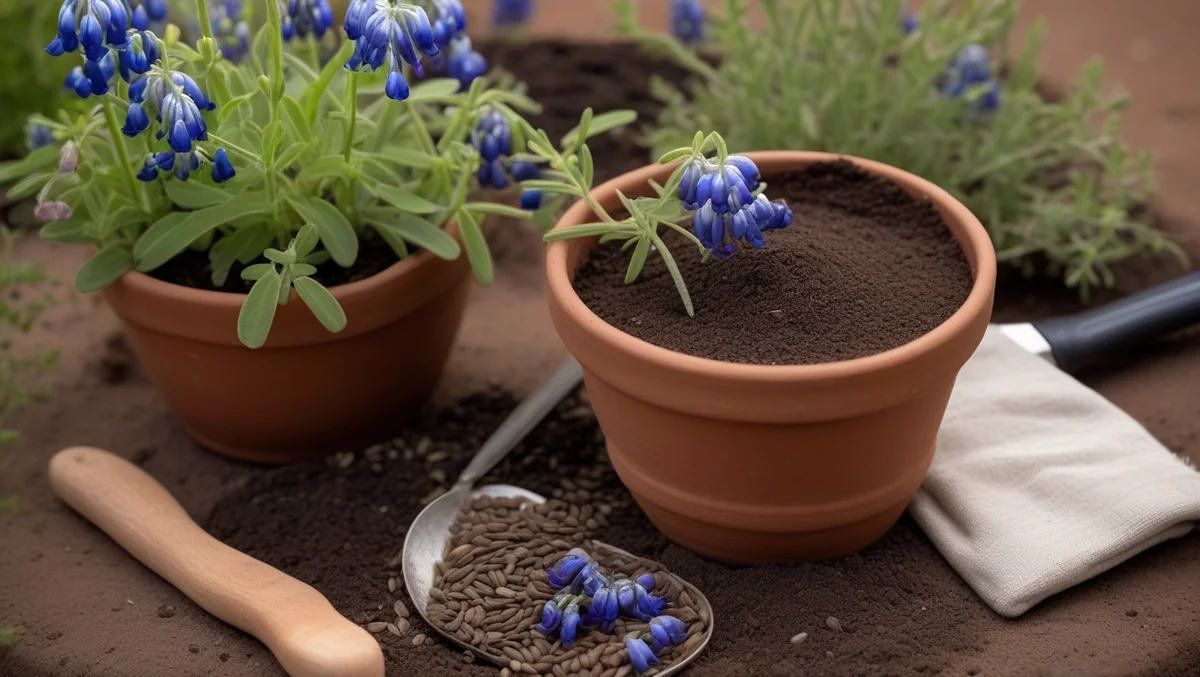
Best Planting Time: September through November (fall planting essential)
- Scarify seeds by gently rubbing with sandpaper
- Soak seeds overnight in warm water
- Plant 1/4 inch deep in prepared soil
- Space seeds 6 inches apart
- Water gently and keep moist until germination
Care Tips
- Watering: Minimal once established; overwatering causes root rot
- Fertilizing: Not recommended; reduces flowering
- Mowing: Wait until seed pods turn brown and dry (usually late May)
- Reseeding: Allow plants to complete their life cycle for natural reseeding
Ecological Importance
Pollinator Support
Texas bluebonnets provide essential resources for:
- Native bees (primary pollinators)
- Honeybees
- Butterflies
- Hummingbirds
Soil Health
As legumes, bluebonnets form symbiotic relationships with nitrogen-fixing bacteria, improving soil fertility for future plant growth.
Wildlife Habitat
The dense foliage provides shelter for ground-nesting birds and small mammals during spring breeding season.
Bluebonnet Photography Tips
Best Times to Shoot
- Golden Hour: First hour after sunrise, last hour before sunset
- Overcast Days: Soft, diffused light reduces harsh shadows
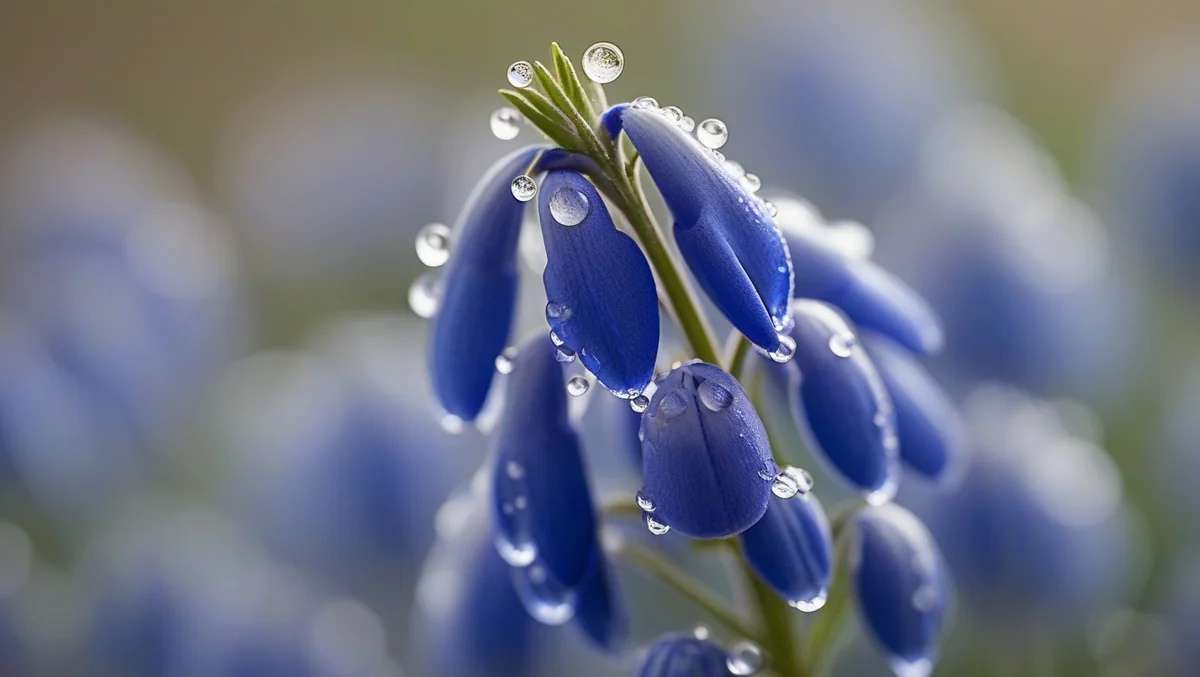
- Early Morning: Dew drops add magical sparkle
Composition Ideas
- Get low to the ground for immersive perspectives
- Include iconic Texas elements (windmills, barns, fence posts)
- Frame subjects within the flower fields
- Use leading lines of fence rows or roads
Etiquette
- Never damage or trample flowers for a photo
- Stay on roads and designated paths
- Respect private property boundaries
- Leave no trace behind
Conservation and Protection
While not endangered, bluebonnets face challenges from:
- Urban development reducing natural habitat
- Roadside mowing during peak bloom
- Climate change affecting bloom timing
- Invasive species competition
How You Can Help
- Plant native bluebonnets in your garden
- Support bluebonnet conservation organizations
- Report exceptional populations to local nature centers
- Educate others about responsible wildflower viewing
Bluebonnet Festivals and Events
Annual Celebrations
- Ennis Bluebonnet Trails – April weekends, maps available downtown
- Chappell Hill Bluebonnet Festival – Mid-April arts and crafts
- Burnet Bluebonnet Festival – Second weekend of April
- Fredericksburg Wildflower Watch – Self-guided tours throughout spring
Conclusion
Texas bluebonnets represent more than just beautiful wildflowers; they embody the spirit of the Lone Star State. Whether you’re a photographer seeking the perfect shot, a gardener hoping to establish a backyard patch, or simply someone who appreciates the beauty of nature, understanding and respecting these iconic flowers ensures they’ll continue to paint Texas blue for generations to come.
Plan your visit during peak bloom season (typically mid-March through mid-April), bring your camera, and experience the magic of Texas bluebonnet season firsthand.
Related Articles:
– Texas Wildflowers: A Complete Guide
– Best Wildflower Drives in Texas
– Native Texas Plants for Your Garden
Sources:
– Lady Bird Johnson Wildflower Center
– Texas Parks and Wildlife Department
– Texas A&M AgriLife Extension