

Texas Wildlife: A Complete Guide to the Lone Star State’s Iconic Animals
Texas is home to one of the most diverse wildlife populations in North America. From the arid deserts of the Trans-Pecos to the coastal marshes of the Gulf, the state’s 10 distinct ecoregions support an extraordinary variety of mammals, birds, reptiles, and amphibians found nowhere else on Earth.
Why Texas Wildlife Is So Diverse
Texas spans over 268,000 square miles, making it the second-largest state by area. This vast territory encompasses dramatically different habitats: pine forests in the east, prairies across the central regions, mountains and deserts in the west, and subtropical environments along the Rio Grande. According to Texas Parks and Wildlife Department, the state is home to approximately 540 bird species, 142 mammal species, and over 200 species of reptiles and amphibians.
Iconic Texas Mammals
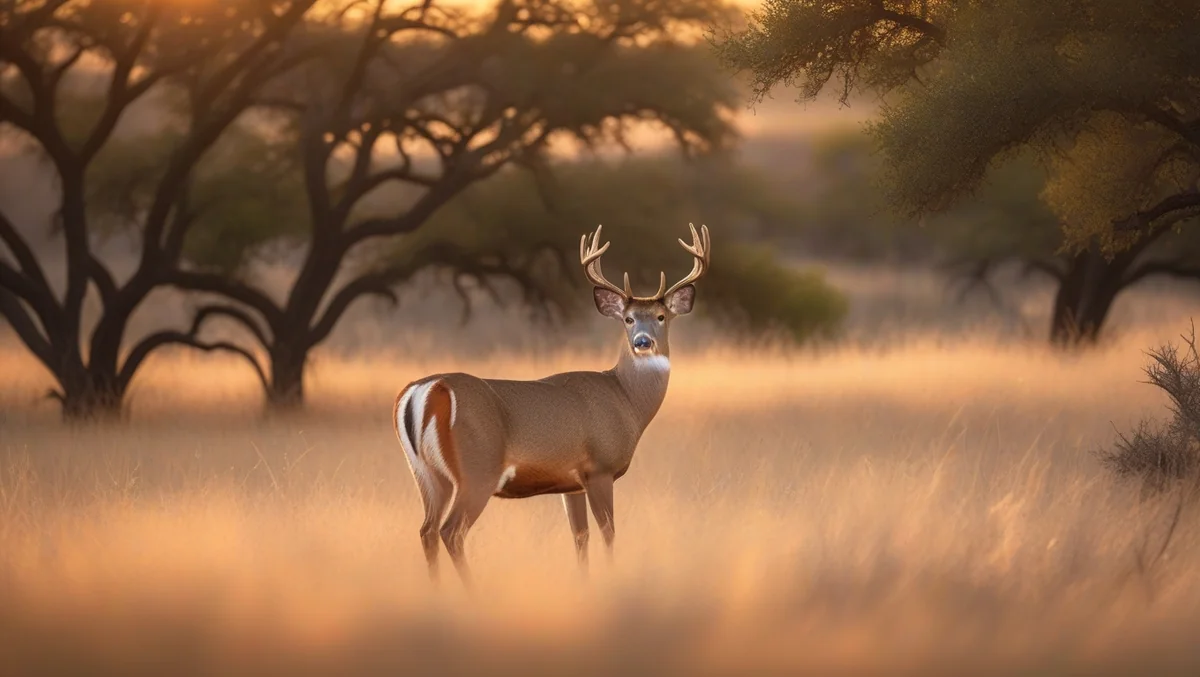
White-Tailed Deer
The white-tailed deer is perhaps Texas’s most recognizable mammal. Found in every county across the state, Texas supports the largest deer population in the nation. The Edwards Plateau region, known as the Texas Hill Country, hosts especially dense populations. These adaptable animals thrive in mixed woodland and prairie environments, feeding on acorns, mesquite beans, and various forbs.
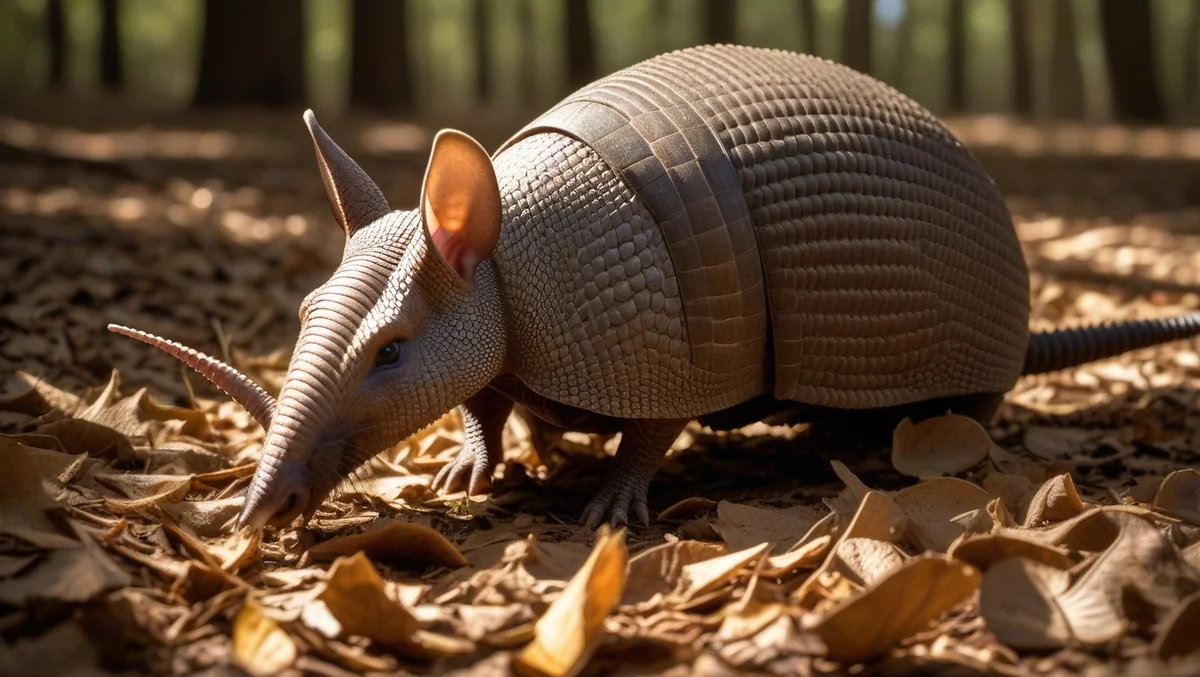
Nine-Banded Armadillo
The nine-banded armadillo serves as an unofficial mascot of the Lone Star State. These armored mammals arrived in Texas from Mexico in the mid-1800s and have since expanded their range northward. Armadillos are primarily nocturnal, using their keen sense of smell to locate insects, grubs, and other invertebrates beneath the soil. Their distinctive shell provides protection from predators, though not from vehicles on Texas roadways.
Javelina
Also called the collared peccary, the javelina roams the brushlands of South Texas and the Trans-Pecos region. Despite their pig-like appearance, javelinas belong to an entirely different family. These social animals travel in herds of 6 to 12 individuals, communicating through scent glands and vocalizations. They primarily eat prickly pear cactus, mesquite beans, and roots.
Texas Longhorn
While technically domestic cattle, the Texas Longhorn represents the state’s ranching heritage. These iconic animals descended from Spanish cattle brought to the Americas in the 1500s. Their distinctive horns can span over seven feet from tip to tip. Today, longhorns graze on ranches throughout the state and serve as the mascot for the University of Texas.
Reptiles of Texas
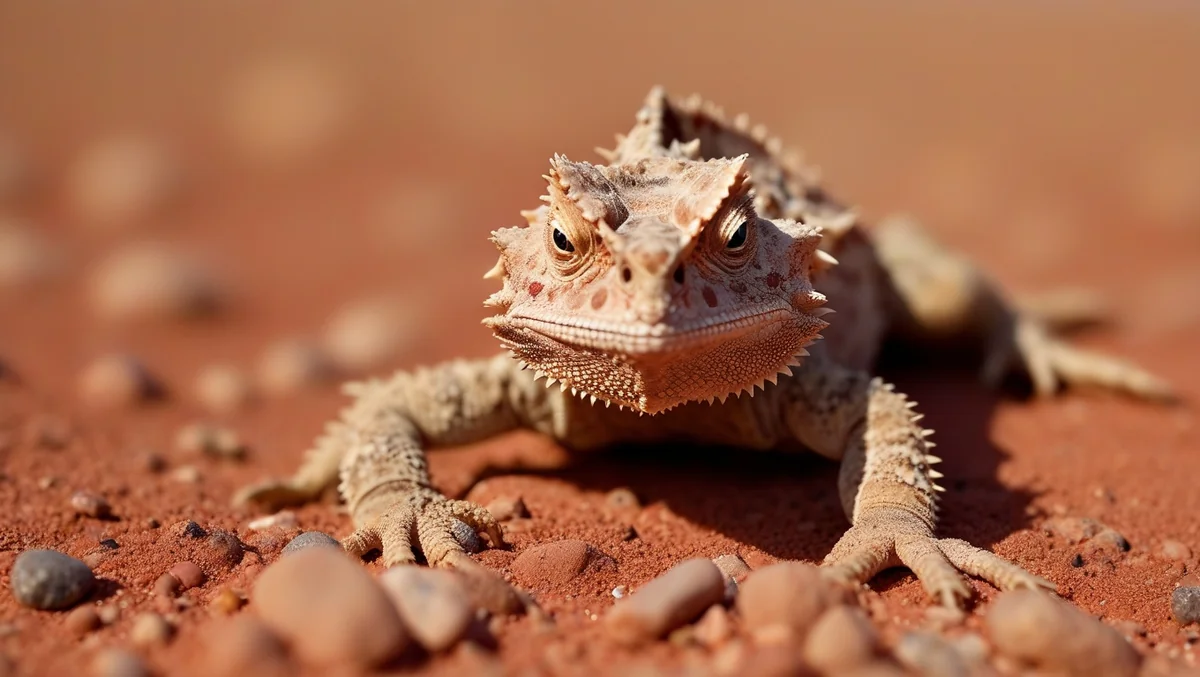
Texas Horned Lizard
The Texas horned lizard, affectionately called the “horny toad,” is the official state reptile. These flat-bodied lizards sport crown-like horns and depend almost exclusively on harvester ants for food. Sadly, horned lizard populations have declined significantly due to habitat loss and the spread of invasive fire ants. Conservation efforts by the Texas Horned Lizard Conservation Society work to protect remaining populations.
American Alligator
American alligators inhabit the coastal marshes, swamps, and rivers of East Texas. These apex predators can grow up to 14 feet long and play a crucial role in wetland ecosystems. After facing near extinction in the mid-20th century, alligators have made a remarkable recovery thanks to conservation measures. Brazos Bend State Park and the Gulf Coast region offer excellent alligator viewing opportunities.
Western Diamondback Rattlesnake
The western diamondback rattlesnake is Texas’s most commonly encountered venomous snake. These pit vipers use heat-sensing organs to detect prey and their characteristic rattle to warn potential threats. While they should be respected and given space, rattlesnakes play an important role in controlling rodent populations across Texas rangelands.
Birds of Texas
Greater Roadrunner
The greater roadrunner, the state bird of neighboring New Mexico, thrives throughout Texas. These ground-dwelling cuckoos can run at speeds up to 20 miles per hour, preferring to chase down prey rather than fly. Roadrunners eat lizards, snakes, insects, and small rodents. Their distinctive call and comical running style make them a favorite among Texas wildlife watchers.
Golden-Cheeked Warbler
The golden-cheeked warbler breeds exclusively in the juniper-oak woodlands of Central Texas. This endangered songbird builds its nest using bark strips from mature Ashe juniper trees. Conservation of this species remains critical, and the Balcones Canyonlands National Wildlife Refuge protects essential habitat near Austin.
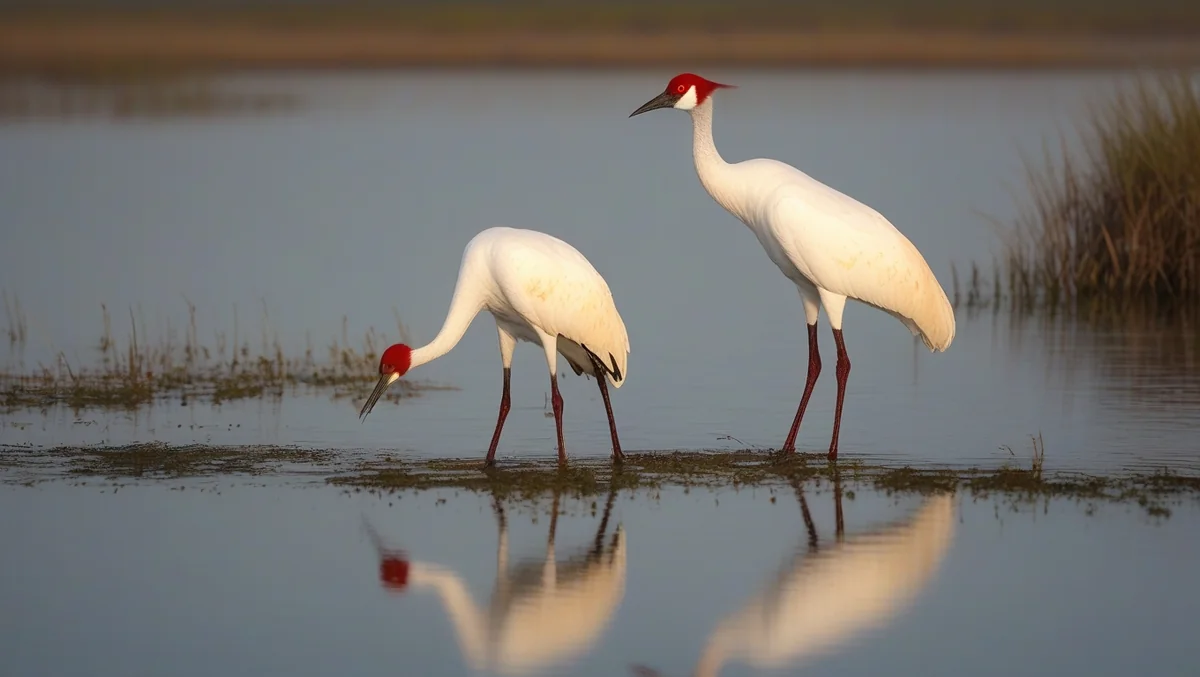
Whooping Crane
The majestic whooping crane winters along the Texas Gulf Coast at the Aransas National Wildlife Refuge. Standing nearly five feet tall with a seven-foot wingspan, these birds are among North America’s rarest. The population dropped to just 21 individuals in 1941 but has since recovered to over 800 birds through intensive conservation efforts. December through March offers the best viewing opportunities.
Wildlife Viewing Tips
Best Seasons
Spring and fall migrations bring waves of birds through Texas, particularly along the Central Flyway. April features the greatest diversity of species as neotropical migrants head north. Early morning hours provide the best wildlife activity, as many Texas animals are crepuscular or nocturnal to avoid the heat.
Top Wildlife Destinations
Big Bend National Park – Desert bighorn sheep, mountain lions, and over 450 bird species in the Chihuahuan Desert.
Aransas National Wildlife Refuge – Whooping cranes, alligators, and countless shorebirds along the central Texas coast.
Caddo Lake State Park – Alligators, beavers, and incredible biodiversity in the only natural lake in Texas.
Palo Duro Canyon State Park – Mule deer, aoudad sheep, and Texas horned lizards in the “Grand Canyon of Texas.”
Santa Ana National Wildlife Refuge – Rare South Texas species including ocelots, jaguarundis, and tropical birds.
Safety Considerations
When exploring Texas wildlife, maintain a safe distance from all animals. Never approach or feed wildlife, as this can alter natural behaviors and create dangerous situations. Watch for venomous snakes in tall grass and rocky areas, and be aware of alligators near any body of water in East Texas.
Conservation Challenges
Texas wildlife faces ongoing threats from habitat loss, climate change, and invasive species. Urban sprawl continues to fragment wildlife corridors, while drought conditions stress water-dependent species. The Texas Parks and Wildlife Department manages numerous programs to protect critical habitats and restore declining populations.
Private landowners play a crucial role in Texas wildlife conservation, as approximately 95% of the state is privately owned. Wildlife management cooperatives, conservation easements, and habitat improvement programs help maintain healthy populations across the landscape.
Conclusion
From the pronghorn antelope of the High Plains to the sea turtles of South Padre Island, Texas offers wildlife experiences found nowhere else. Whether you’re a dedicated birder, a casual nature enthusiast, or simply someone who appreciates the wild heritage of the Lone Star State, opportunities to encounter remarkable animals await in every corner of Texas.
Explore our Texas Ecoregions guide to discover the unique habitats that support this incredible wildlife diversity, or learn about specific species in our fauna guides.