
Trans-Pecos: The Ultimate Guide to 7 Stunning Texas Landscapes
The Wildest Corner of Texas
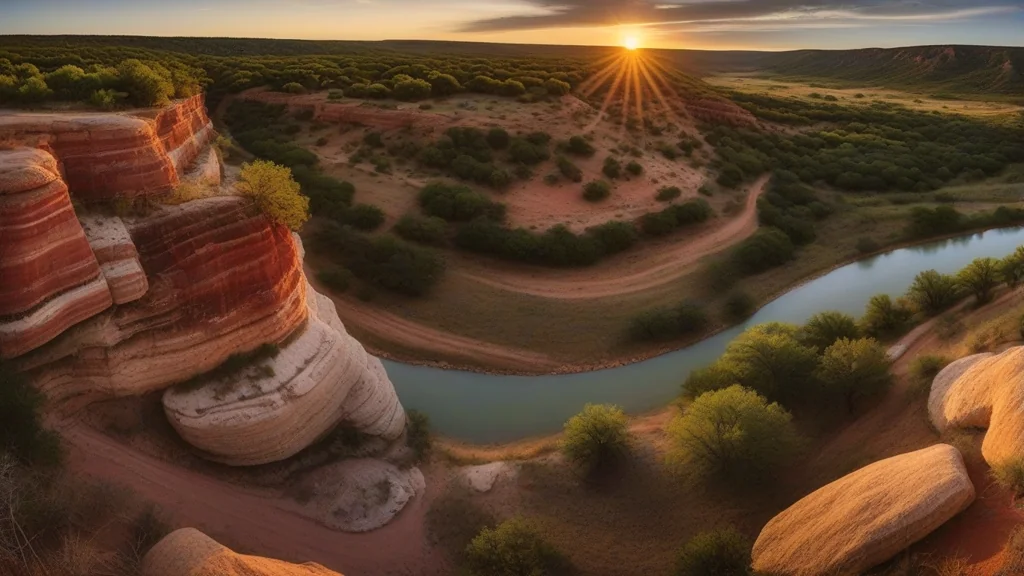
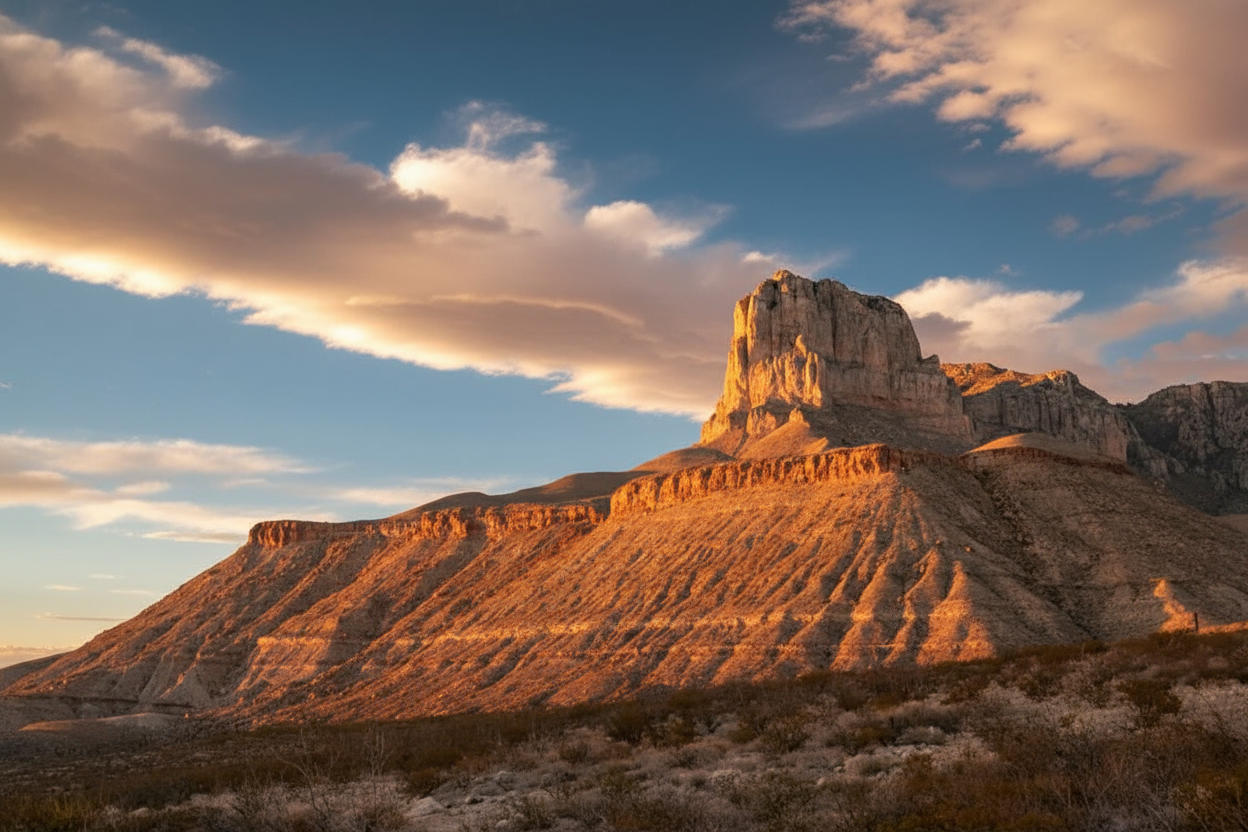
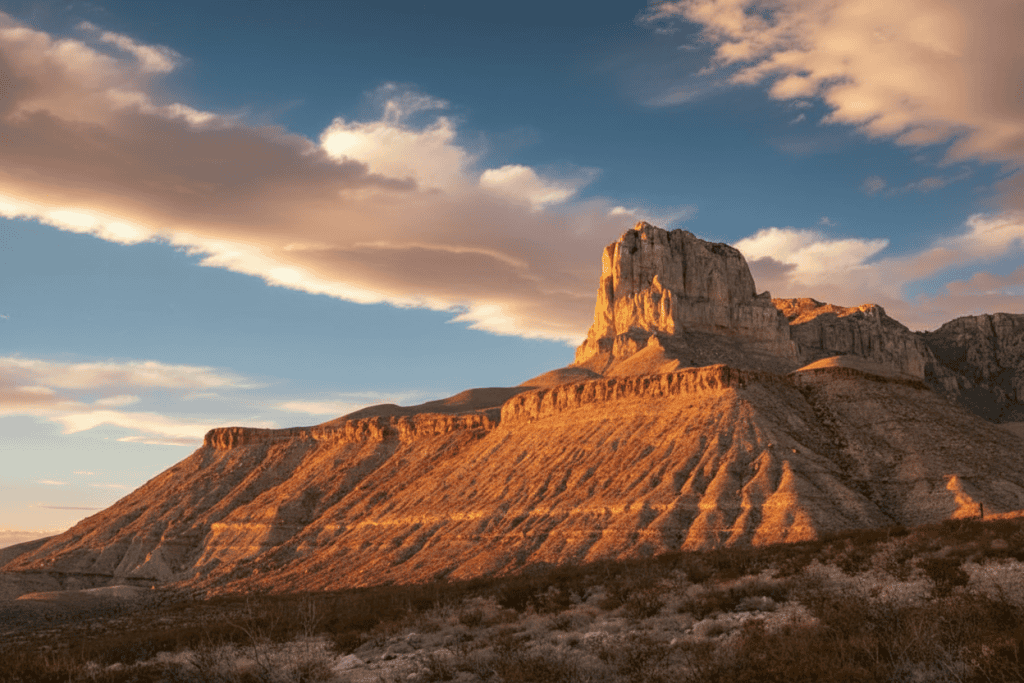
Big Bend’s canyons, as sun rises on Guadalupe Peak, reveal a Texas both ancient and otherworldly. Welcome to the wildest corner of Texas—where the Chihuahuan Desert meets mountains, and the sky stretches farther than anywhere else in the state. This is the Trans-Pecos, the westernmost, highest, and driest region in Texas.
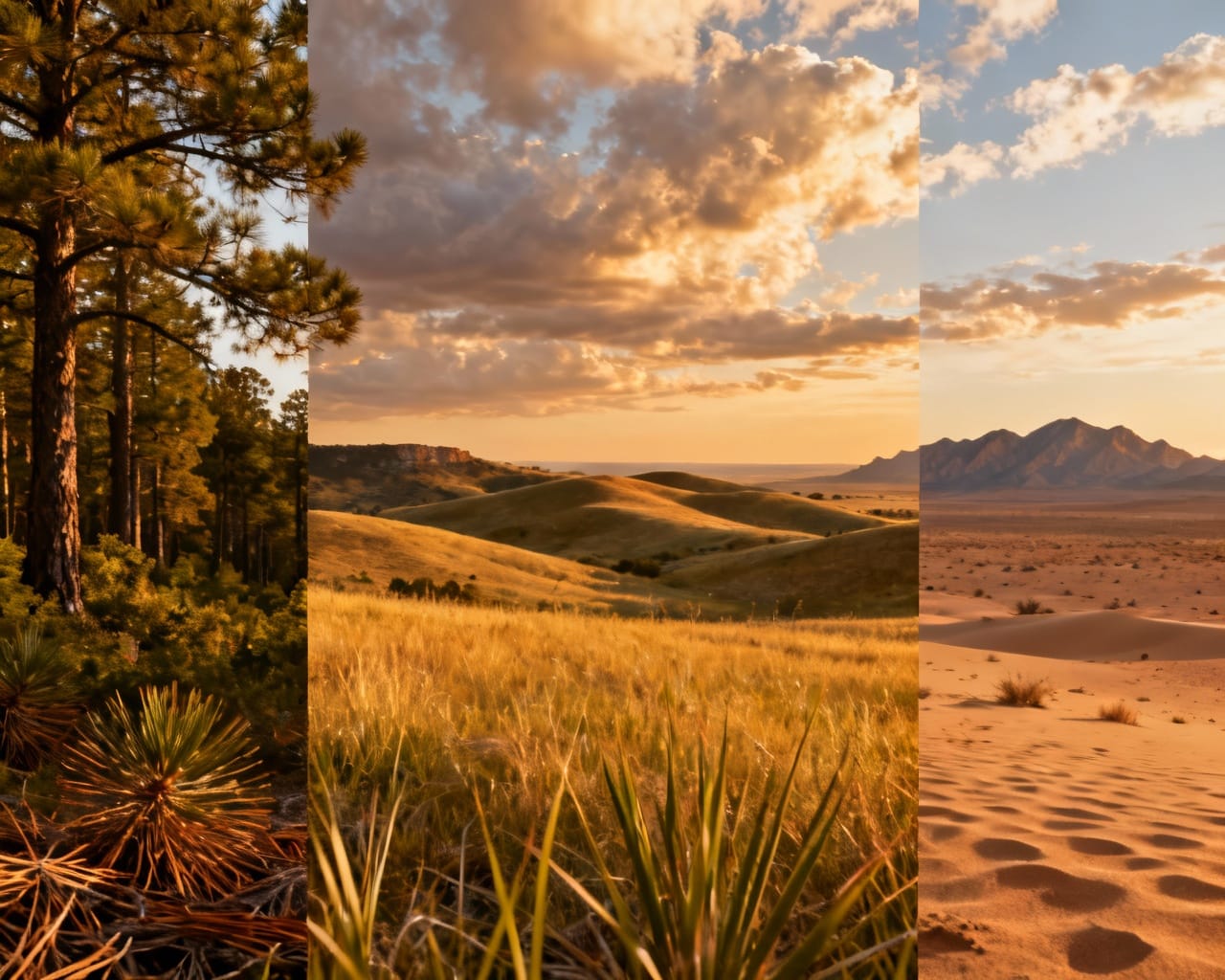
Unlike the humid Pineywoods or the grassy plains of the Panhandle, the Trans-Pecos is a paradox: severe yet alive, vast yet intimate, a land that demands resilience from all who inhabit it. Here, fossil reefs tower as mountains, canyons trace ancient rivers, and spring-fed oases whisper of water hidden beneath stone.
In this guide, you’ll uncover the ecological diversity, rare wildlife, and untamed adventure opportunities that make the Trans-Pecos one of the most scientifically and spiritually profound landscapes in North America.
KEY TAKEAWAY: The Trans-Pecos covers 32,000 square miles—one-eighth of Texas—and contains the state’s highest point (Guadalupe Peak at 8,751 ft), darkest skies, and driest climate. It’s home to over 1,200 plant species and some of the most unique wildlife in North America.
Geography & Climate: The Skylands of Texas
Covering roughly 32,000 square miles—about one-eighth of Texas—the Trans-Pecos stretches from the Pecos River west to the Rio Grande, touching New Mexico and Chihuahua, Mexico. It encompasses the Basin and Range Province, a maze of rugged mountains and broad arid basins formed by faulting millions of years ago.
This is where Texas touches the sky. Guadalupe Peak, at 8,751 feet, stands as the state’s highest point. The Rio Grande carves deep canyons like Santa Elena and Boquillas before turning south toward the Gulf.
The region’s climate ranks as the driest in Texas, averaging 8–14 inches of rain annually, though summer monsoon storms can transform desert basins into fleeting grasslands. The Trans-Pecos anchors the northern Chihuahuan Desert, whose boundaries extend far into Mexico, and whose ecosystem harbors remarkable biodiversity adapted to drought and altitude alike.
Geological Wonders: Fire, Fossils, and Stone
Few terrains in North America rival the geological drama of West Texas. The Guadalupe Mountains preserve a fossilized reef from the Permian era—once an ancient sea, now standing 8,000 feet above the desert floor.
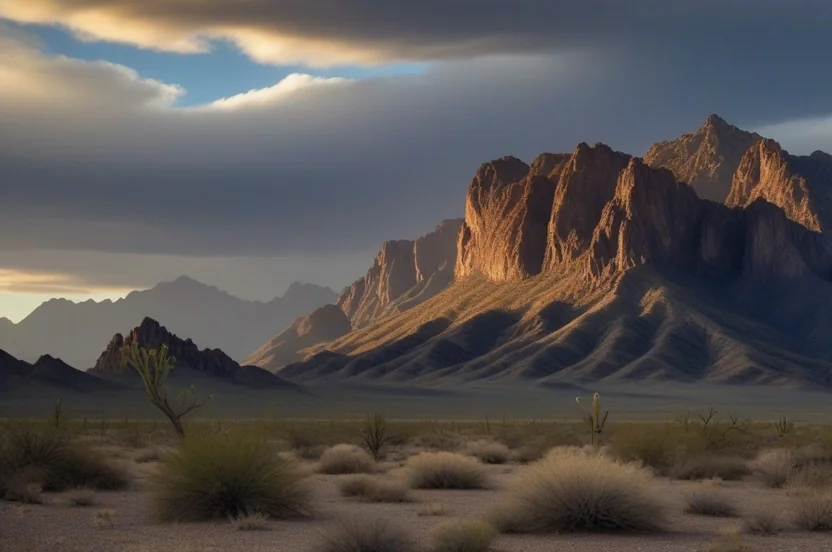
Farther south, the Chisos Mountains in Big Bend rise from volcanic origins, sheltering forests and canyons carved by eons of erosion. To the north, the Davis Mountains are remnants of ancient volcanoes that poured basaltic lava across the land.
Hidden among the basins are spring-fed oases like San Solomon Springs at Balmorhea State Park, where desert pupfish thrive in crystalline water. From the volcanic cliffs of the Sierra del Carmen to the limestone walls of Santa Elena Canyon, the Trans-Pecos reveals the earth’s artistry on an epic scale.
Desert Plant Communities
The Trans-Pecos proves the desert is anything but barren. Its signature plant, the creosote bush, perfumes the air after rain, while lechuguilla agave and ocotillo punctuate ridges with spiny drama.
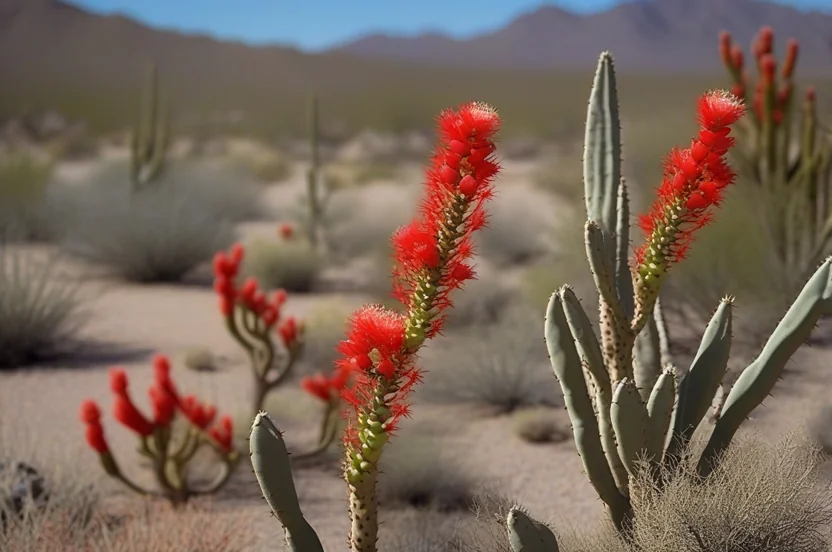
Four main yucca species define the desert skyline—most notably Torrey, Soaptree, and Banana yucca, each sculpted by drought. The region bursts with cacti diversity: claret cup, prickly pear, cholla, and cochineal fill arroyos and hillsides with subtle blooms.
In the cooler, wetter Chisos Mountains, woodland communities emerge: pinyon pine, juniper, and oak forests host cloud-wrapped ecosystems unique within Texas. Remarkably, Big Bend alone harbors over 1,200 plant species—more than many entire states—showcasing the Trans-Pecos as a living museum of desert adaptation and resilience.
Signature Wildlife & Endemics
Wildlife thrives here in ways unseen elsewhere in Texas. Desert bighorn sheep, once extinct from the region, now scale cliffs following successful reintroduction programs. Javelinas, mountain lions, and even black bears prowl the rugged canyons.
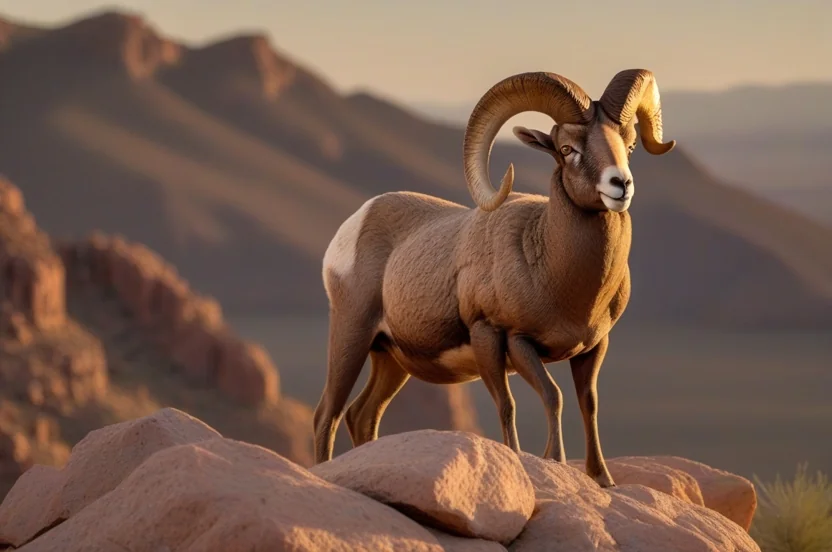
Bird diversity astonishes: the roadrunner embodies desert cunning, while elf owls, Lucifer and Berylline hummingbirds, and the elusive Colima warbler attract birders from around the world.
Below the springs lie endemic aquatic treasures—Comanche Springs pupfish and Rio Grande cutthroat trout—relic species of ancient waterways. Among reptiles, the vivid clark’s spiny lizard and sleek Trans-Pecos rat snake underscore the isolation-driven evolution occurring across this vast desert.
Birding & Migration Hotspots
Every spring and fall, the Trans-Pecos becomes a flyway of motion. From Cottonwood Campground to Rio Grande Village, Big Bend transforms into a birder’s paradise where over 400 species may be spotted in a single season.
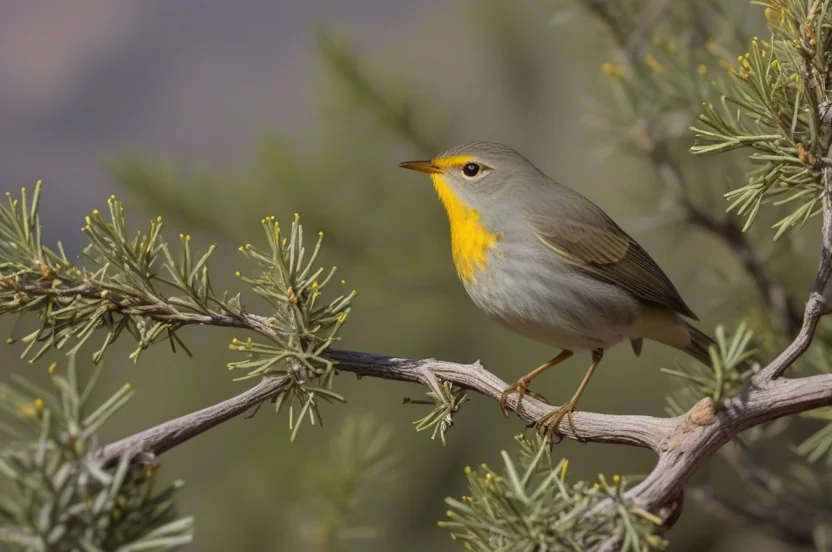
Standouts such as the Montezuma quail, Zone-tailed hawk, and Vermilion flycatcher make bucket lists for avian enthusiasts exploring West Texas. The best birding occurs from April–May and September–October, when desert skies teem with migrants refueling amid oasis groves and canyon streams.
Conservation Stories
Conservation in the Trans-Pecos tells stories of comeback and cooperation. Desert bighorn sheep reintroduction—once a dream—is now a triumph of science and perseverance. Black bears have naturally re-colonized Big Bend after decades of absence.
Efforts to protect crucial water sources like Balmorhea, San Solomon, and Phantom Springs secure life for both wildlife and local communities. Yet challenges persist: water scarcity, border infrastructure, and climate change all threaten fragile desert systems. Cross-border initiatives with Mexico now aim to restore river corridors and ensure shared resilience of the Chihuahuan biome.
Dark Skies & Stargazing
The Trans-Pecos hosts some of the darkest night skies left in North America. Big Bend National Park and Guadalupe Mountains National Park both hold International Dark Sky Park designations, while the McDonald Observatory in the Davis Mountains stands as a global center for astronomy.
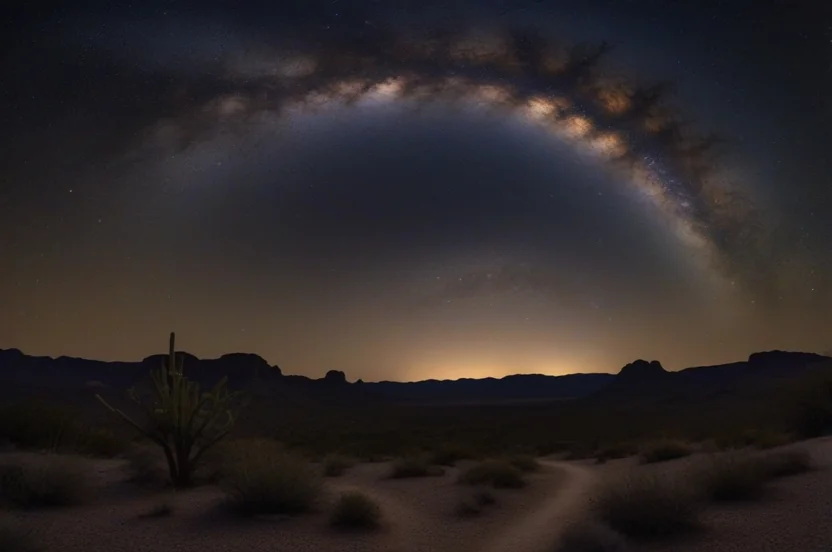
Visitors can experience Star Parties, meteor showers, and naked-eye views of the Milky Way from the comfort of desert plateaus. These cloudless, low-humidity nights allow cosmic awe to shape human perspective—proof that in West Texas, the world’s ceiling is wide open.
PRO TIP: Time your visit around a new moon for the best stargazing. McDonald Observatory hosts public star parties every Tuesday, Friday, and Saturday evening. Book early—they often sell out months in advance.
Best Places to Visit & Adventure
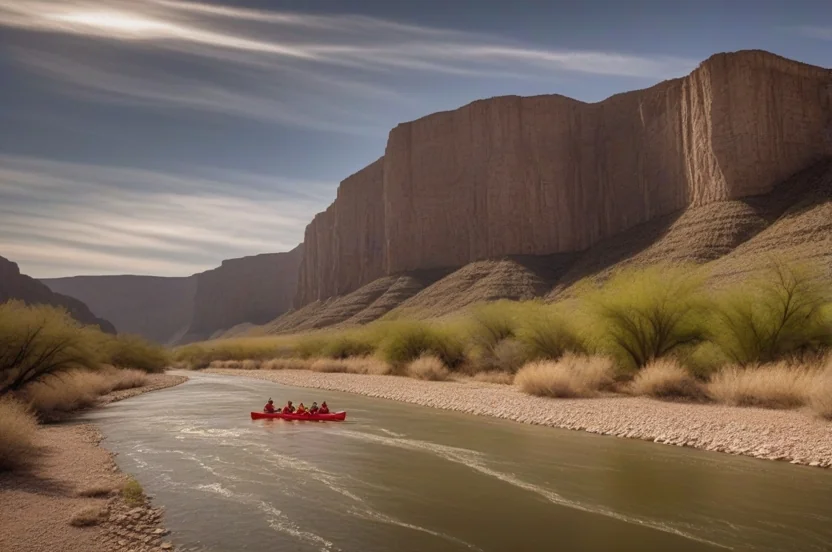
- Big Bend National Park – Towering canyons, backcountry trails, and wild river adventures define this desert sanctuary.
- Guadalupe Mountains National Park – Texas’s highest peak, striking canyons, and fall foliage make this park essential for hikers.
- Davis Mountains State Park – Scenic loops, historic Fort Davis, and nearby McDonald Observatory anchor the region’s highland experiences.
- Rio Grande Corridor – Offers paddling through Santa Elena Canyon and exploration of spring-fed pools.
- Marfa, Alpine, and Terlingua – Artistic enclaves, ghost town charm, and local hospitality add cultural texture to wilderness adventures.
Seasonal Travel Guide
- Spring (Mar–May): Wildflowers bloom, migratory birds arrive, and days stay comfortably warm.
- Summer (Jun–Aug): Extreme heat limits mid-day activity; cave tours and spring-fed swims are ideal.
- Autumn (Sep–Nov): Peak hiking and birding season; brilliant fall colors in the Guadalupe Mountains.
- Winter (Dec–Feb): Cool temperatures and crisp skies make for perfect stargazing and solitude.
Planning Your Trip
Accommodation ranges from campgrounds and desert lodges to historic ranch stays. Always pack for extremes: wide-brimmed hats, sunblock, hydration gear, and layers for sudden temperature shifts.
Guided tours in birding, geology, and photography deepen understanding of the land’s wonders, while Leave No Trace ethics remain essential for preserving fragile soils and habitats. Certain areas, like Big Bend backcountry, require permits—plan in advance to ensure safe, ethical exploration.
WARNING: The Trans-Pecos is genuinely remote. Cell service is nonexistent in most areas, gas stations can be 60+ miles apart, and summer temperatures exceed 100°F. Always carry extra water (1 gallon/person/day minimum), inform someone of your plans, and check road conditions before traveling.
Frequently Asked Questions About the Trans-Pecos
What counties are in the Trans-Pecos region?
The Trans-Pecos includes Brewster (Texas’s largest county), Presidio, Jeff Davis, Hudspeth, Culberson, Reeves, Pecos, Terrell, and Val Verde counties. These nine counties cover approximately 32,000 square miles of far West Texas, stretching from the Pecos River to the Rio Grande.
What is the best time to visit the Trans-Pecos?
Fall (September-November) offers ideal conditions with comfortable temperatures, peak bird migration, and stunning fall colors in the Guadalupe Mountains. Spring (March-May) brings wildflower blooms and pleasant weather. Avoid summer unless prepared for extreme heat exceeding 100°F, though cave tours and spring-fed swimming spots offer relief.
How is the Trans-Pecos different from other Texas ecoregions?
The Trans-Pecos is Texas’s only true desert ecoregion, receiving just 8-14 inches of annual rainfall. It contains the state’s highest mountains, darkest night skies, and most isolated terrain. Unlike the Edwards Plateau to the east or the Piney Woods far to the east, the Trans-Pecos is part of the Chihuahuan Desert ecosystem shared with Mexico.
What wildlife is unique to the Trans-Pecos?
The Trans-Pecos hosts desert bighorn sheep, javelinas, mountain lions, and black bears. Bird species found nowhere else in Texas include the Colima warbler (only US breeding population), Lucifer hummingbird, and Montezuma quail. Endemic aquatic species like the Comanche Springs pupfish survive in isolated spring systems.
Do I need a high-clearance vehicle for the Trans-Pecos?
Most major destinations—Big Bend National Park, Guadalupe Mountains, Davis Mountains, and Marfa—are accessible by standard vehicles on paved roads. However, backcountry roads in Big Bend Ranch State Park and some remote areas require 4WD or high-clearance vehicles. Always check current road conditions before venturing off pavement.
Where can I see the night sky in the Trans-Pecos?
Both Big Bend National Park and Guadalupe Mountains National Park hold International Dark Sky Park designations. The McDonald Observatory in the Davis Mountains offers exceptional stargazing programs. The entire Trans-Pecos region has minimal light pollution, making almost any location excellent for viewing the Milky Way and celestial events.
Protecting Texas’s Final Frontier
The Trans-Pecos stands as more than a region—it’s Texas in raw form: sky, stone, and survival. Its wilderness invites awe, its biodiversity demands protection, and its endless horizons call travelers to rediscover what wildness truly means.
Subscribe for seasonal guides, stargazing updates, and conservation alerts, and join those safeguarding this last, luminous frontier of Texas.